Why Your Carpet Feels Crunchy After Professional Cleaning
I once walked into a luxury penthouse where the homeowner had just spent four hundred dollars on a quick steam clean for her white saxony carpet. She was frantic because the fibers felt like walking on a bag of dried pasta. It was stiff, abrasive, and made a sickening crackling sound under her slippers. This is the reality of the carpet crunch, a phenomenon that happens when a technician treats your home like a car wash instead of a laboratory. As someone who has spent thirty years measuring subfloor deflection and grinding concrete till my lungs felt like a sawdust factory, I know that a floor is more than just what you see on the surface. It is a complex ecosystem of chemicals and structural layers. When that carpet feels crunchy, you are feeling the literal failure of chemistry and physics right under your feet.
The chemical reality of detergent residue
The primary reason a carpet feels crunchy after a professional service is the presence of unrinsed detergent residue. Most cleaners use high pH surfactants to break down oils and proteins that bind soil to the fibers. If these surfactants are not neutralized with a proper acidic rinse, they dry into a hard, crystalline structure. Think of it like washing your hair with shampoo but never rinsing it out. Once the water evaporates, the concentrated soap remains. On a molecular level, these surfactants have a hydrophilic head and a hydrophobic tail. When left to dry on a nylon or polyester fiber, they create a sticky film that attracts new soil immediately. This is why a crunchy carpet often looks dirty again within a week. The residue is literally reaching out and grabbing dust from the air. You are not just feeling a texture issue, you are feeling a magnet for future filth that will eventually grind down the fiber like sandpaper.
How subfloor moisture affects drying times
A floor is only as good as the subfloor beneath it; deflection is the enemy of every joint. This applies to carpet just as much as it does to a rigid laminate install. If your technician over wets the carpet, the moisture doesn’t just stay in the fibers. It migrates into the padding and potentially the subfloor itself. In many homes, a concrete slab that was not properly tested for relative humidity can contribute to this disaster. If the slab has high vapor emission, the moisture from the cleaning process gets trapped between the carpet backing and the damp concrete. This creates a slow drying environment where the soap has even more time to settle and harden. I have seen cases where poor floor leveling led to low spots where water pooled during the cleaning process. Those low spots become the crunchiest areas because the extraction wand couldn’t create a proper vacuum seal against the uneven surface. If your floor leveling was done poorly, your carpet cleaning will suffer too.
| Fiber Type | Janka Hardness Equivalent | Optimal pH for Cleaning | Drying Time Constant |
|---|---|---|---|
| Nylon | N/A | 5.5 to 8.5 | 4 to 6 Hours |
| Polyester | N/A | 7.0 to 9.0 | 6 to 8 Hours |
| Wool | Low | 4.5 to 6.5 | 8 to 12 Hours |
| Triexta | Medium | 7.0 to 10.0 | 5 to 7 Hours |
The danger of water migration from showers
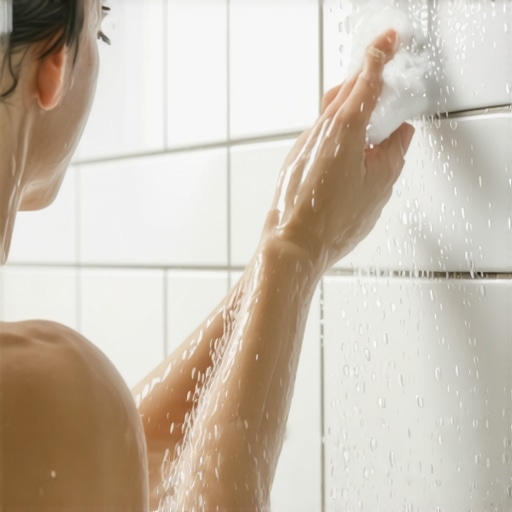
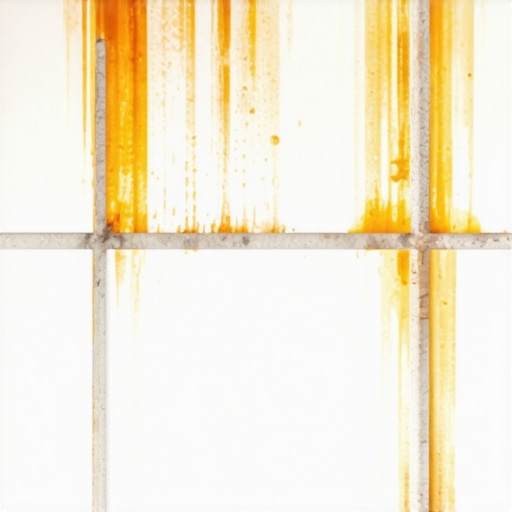
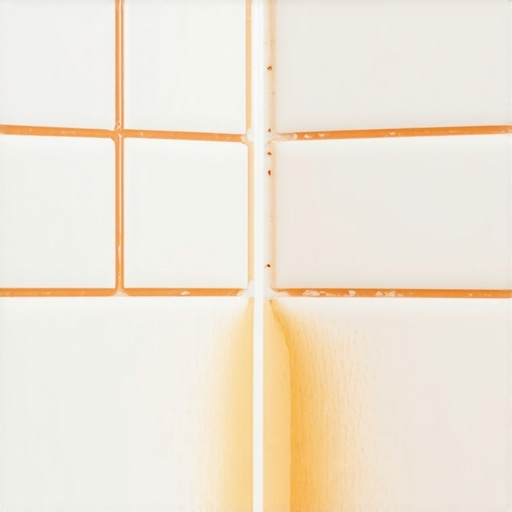
Many homeowners ignore the proximity of their carpeted hallways to bathrooms and showers. If the waterproofing in your shower pan is failing, or if the transition between the tile and the carpet was not handled with a proper moisture barrier, you are inviting trouble. When a carpet is cleaned, the extra moisture can act as a bridge for existing subfloor contaminants. Capillary action pulls salts and old alkaline deposits from the subfloor up into the carpet fibers. This process, known as wicking, often presents as a crunchy, brownish stain that reappears as the floor dries. If you have a shower leak that has been saturating the subfloor, no amount of surface cleaning will fix the crunch. You are dealing with a structural moisture issue that requires a deep dive into the integrity of your underlayment and potentially a full remediation of the floor leveling compound in that area.
Why laminate installation mistakes mimic carpet issues
It sounds strange to compare carpet to a laminate install, but the physics of the subfloor are identical. If you install laminate over a subfloor that hasn’t been leveled to within one eighth of an inch over a ten foot radius, the boards will flex. This flex creates friction and noise. Similarly, when a carpet is installed over an uneven subfloor, the padding wears unevenly. When that carpet is eventually cleaned, the uneven wear patterns hold more water and more soap. I always tell my clients that if they are planning a new laminate install in one room and keeping carpet in the next, they must address the floor leveling across the entire plane. A dip in the subfloor under the carpet is where the most detergent will collect, leading to that dreaded crunch. The floor is a continuous structural element, and treating it as isolated sections is a recipe for maintenance nightmares.
“A floor is only as good as the subfloor beneath it; deflection is the enemy of every joint.” – Master Flooring Axiom
The physics of the acid rinse solution
To prevent the crunch, a master technician uses an acidic rinse. This is not just a preference, it is a requirement of the chemistry involved. Most cleaning agents are alkaline, sitting somewhere between 9 and 12 on the pH scale. An acidic rinse agent, usually based on citric or hydroxyacetic acid, neutralizes the alkalinity. This reaction breaks the bond between the surfactant and the carpet fiber. It also helps to close the cuticle of natural fibers like wool, much like a hair conditioner. When the pH is balanced, the fibers remain soft and supple. If your cleaner is just using hot water, they are leaving the chemistry unfinished. You are left with a high pH floor that is technically caustic. This can actually cause chemical burns on sensitive skin or paws, which is a far more serious problem than just a crunchy texture.
Steps to verify a quality installation and cleaning
- Check for a firm tack strip attachment around the perimeter to ensure the carpet doesn’t shift during extraction.
- Ensure the technician uses a truck-mounted system with at least 15 inches of mercury lift for maximum moisture removal.
- Verify that the floor leveling in adjacent rooms is flush to prevent water runoff into the carpeted zones.
- Ask for a pH test of the carpet after it dries to ensure it is sitting between 5 and 7.
- Confirm that the subfloor was tested for moisture if the carpet is installed over concrete.
The 1/8 inch that ruins everything
Precision is the difference between a floor that lasts thirty years and one that fails in five. When I talk about the 1/8 inch, I am referring to the tolerance allowed for subfloor flatness. If your subfloor has a hump or a valley, the carpet cleaning wand will skip over it. This lack of contact means the suction is broken. When suction is broken, the water and soap stay in the carpet. This is why you might find one crunchy patch in the middle of a perfectly soft room. It is almost always a subfloor irregularity. Before you blame the cleaning solution, take a six foot level and lay it across the crunchy area. If you see light under the level, your subfloor is the culprit. You can’t expect a liquid process to fix a solid geometry problem. If you want soft carpets, you start with a flat, dry, and stable base. Anything else is just putting a bandage on a broken leg.
The hidden impact of wear layers and mil thickness
While we usually talk about wear layers in the context of LVP or laminate, carpet has its own version of protection. This is the factory applied fluorochemical treatment, often known as Scotchgard or Teflon. Over time, and through poor cleaning practices, this layer is stripped away. Once it is gone, the raw fiber is exposed to the elements. Without this protective barrier, the detergent residue sticks even harder to the core of the fiber. This makes the crunch feel even more pronounced because the soap is actually penetrating the polymer chain of the fiber itself. If you are noticing a persistent crunch, it might be time to have a professional re-apply a protector after a deep, restorative acid wash. This will fill the microscopic voids in the fiber and prevent the soap from anchoring itself to your floor. It is about restoring the molecular integrity of the surface.
How to fix a crunchy carpet yourself
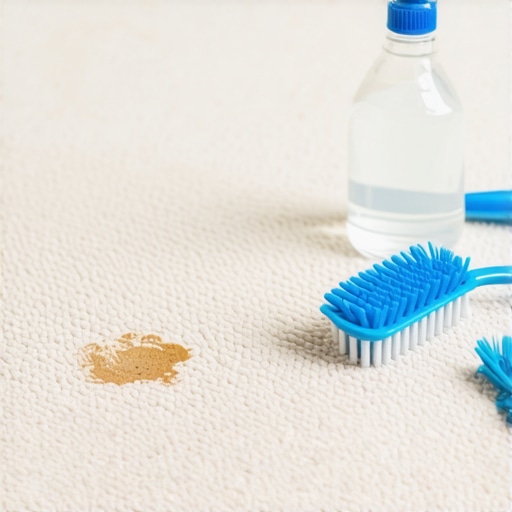
If you are currently dealing with a crunchy floor, the fix is relatively simple but labor intensive. You need to perform an acid rinse. You can mix one cup of white distilled vinegar with a gallon of water and lightly mist the affected areas. The acetic acid in the vinegar will work to neutralize the alkaline soap residues. After misting, you should agitated the fibers with a soft brush and then use a wet vacuum to extract as much moisture as possible. Do not over saturate. The goal is to provide just enough acid to break the chemical bond of the salts. Once the carpet dries, the crunch should be gone. If it remains, you are likely dealing with a deeper issue like secondary backing delamination or a subfloor moisture problem that is constantly wicking new minerals to the surface. In those cases, you aren’t just looking for a cleaner, you are looking for a flooring inspector. “,”image”:{“imagePrompt”:”A close-up, microscopic view of carpet fibers coated in crystalline soap residue, showing the contrast between soft fibers and the hard, jagged detergent crystals. Professional lighting, high detail, industrial macro photography style.”,”imageTitle”:”Microscopic view of carpet residue”,”imageAlt”:”A macro shot showing soap crystals on carpet fibers causing a crunchy texture.”},”categoryId”:0,”postTime”:””}