Have you ever stepped onto a new carpet or a freshly leveled floor and immediately felt that unsettling wobble or uneven patch? I remember my first DIY attempt—thinking I could just roll out the carpet and call it a day. It looked okay at first, but within months, those tiny ripples and uneven spots became glaring eyesores. That was my lightbulb moment. I realized that a flawed installation isn’t just about aesthetics; it impacts the durability and comfort of your entire home.
The Foundation of Lasting Home Beauty and Comfort
Here’s the truth: the quality of your flooring depends heavily on proper carpet installation and floor leveling. Many homeowners overlook these steps, thinking they’re minor details. But trust me, they’re the backbone of a durable, beautiful space. When done right, these techniques prevent future issues like bubbling, cracking, or uneven wear. And the best part? You don’t need to be a professional to master these skills—just a little guidance and patience. I’ve learned from my mistakes, and now I want to share those insights with you so you can avoid the pitfalls I faced.
Is Skipping the Details Really Worth the Risk?
One mistake I made early on was rushing through the floor leveling process. I assumed the subfloor was
Secure a Flat, Even Foundation for Your Flooring
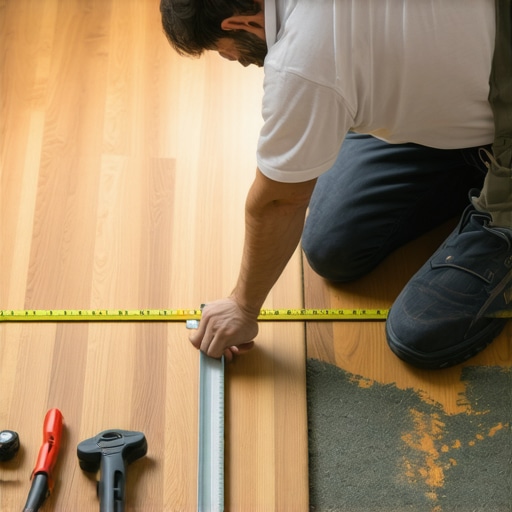
Start by inspecting your subfloor thoroughly. Use a long straightedge or a level to identify high and low spots. When I tackled my own living room, I had a surprisingly uneven subfloor that caused my carpet to ripple. I marked the low points with chalk, then used a self-leveling compound to fill in these depressions. This step is crucial because even minor dips can cause significant issues later, such as bubbling or uneven wear. For detailed guidance, check out top tips for durable leveling.
Use a Long Level or Straightedge for Accuracy
Place the level across the floor in multiple directions. If you notice gaps or tilts, address them before proceeding. I remember spending a Saturday afternoon with a laser level, which made identifying uneven areas much faster. This technique ensures your entire floor is prepared to support a flawless installation, preventing future problems. Proper leveling is the foundation for perfect results—skipping this step is a recipe for frustration. For more advanced strategies, see expert-level leveling strategies.
Prepare Your Subfloor to Maximize Adhesion
Clean the surface meticulously. Remove dust, debris, and any old adhesive. Use a vacuum or a damp cloth, then let it dry completely. When I replaced my carpet, I made the mistake of not cleaning the subfloor thoroughly, which caused the new carpet to not adhere properly. I learned that a clean surface is essential for good adhesion and long-term durability. Consider applying a primer if recommended for your flooring type. This step increases the bond strength and helps prevent future lifting or shifting. For detailed prep steps, visit comprehensive prep tips.
Use the Right Tools for Precise Installation
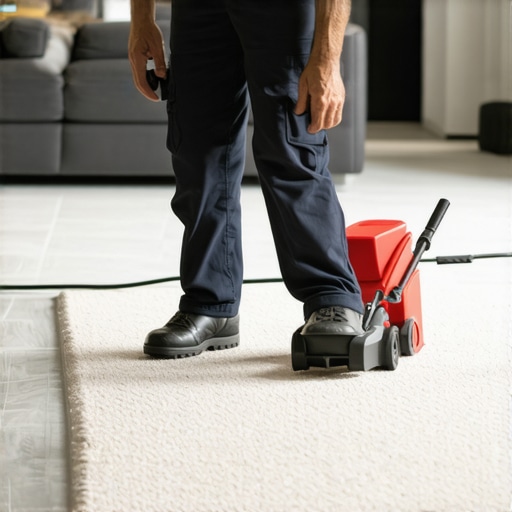
Invest in a high-quality knee kicker, carpet stretcher, and a utility knife. These tools help you achieve a tight, smooth surface. When I installed my carpet, I used a power stretcher to pull the carpet taut across the room, reducing wrinkles and bumps. It was a game-changer compared to manual stretching. Proper tensioning prevents ripples and extends the life of your flooring. Remember, patience and proper technique matter far more than rushing through the process. For expert tool recommendations, check expert installation strategies.
Seam Finishing and Final Checks
Align seams carefully, matching patterns if applicable. Use a seam roller to press the seams firmly, ensuring they are invisible or very discreet. After installation, walk on the carpet to identify any loose edges or wrinkles. If you find issues, re-stretch or adjust immediately. I once overlooked a seam, which slowly frayed over time, leading to costly repairs. Investing time in finishing details guarantees a professional look and durable performance. For advanced finishing tips, see seam and finishing techniques.
Regular Maintenance for Longevity
Once installed, maintain your flooring by vacuuming regularly and avoiding excessive moisture. Promptly address spills to prevent staining and damage. I learned that a little extra care extends the lifespan of my carpet significantly. Proper maintenance preserves the quality of your installation and saves you money long-term. For maintenance strategies, visit maintenance tips for lasting beauty.
Many homeowners go into DIY flooring projects with a set of misconceptions that can lead to costly mistakes. Let’s dig deeper into what most people get wrong about carpet installation and floor leveling, and how understanding these nuances can save you time and money. One widespread myth is that you can skip meticulous subfloor preparation if the surface looks even from a distance. However, even minor dips or bumps can cause ripples, bubbles, or premature wear. For instance, I once skipped thorough leveling and ended up with ripples that took months to fix, highlighting why attention to detail matters. For best results, ensure you follow expert strategies like those outlined in top tips for durable leveling.
Another misconception involves the use of tools. Many DIYers rely on basic hand tools, believing they can achieve professional tensioning or seam finishing without specialized equipment. In reality, tools like power stretchers and seam rollers are essential for a flawless, long-lasting finish. Using subpar tools often results in loose seams or wrinkles that deteriorate quickly. I learned this the hard way when I tried to stretch a large carpet manually and ended up with uneven edges. Investing in quality tools and understanding their proper use is critical, as detailed in expert installation strategies.
Are All Floor Leveling Compounds Created Equal
Many assume that any self-leveling compound will do the trick, but that’s not the case. The wrong product can crack or fail to bond properly, especially if the subfloor isn’t prepared correctly. Using a high-quality, recommended compound and applying it according to manufacturer instructions is vital. I once used a cheaper product, which cracked after a few months, causing me to redo the entire process. For advanced tips, see expert-level leveling strategies.
Finally, a common trap is neglecting the importance of moisture barriers, especially in basement or ground-floor installations. Moisture can cause swelling, mold, or delamination. Even if the surface appears dry, installing a proper moisture barrier can prevent future issues, saving you from costly repairs. Don’t fall into the trap of thinking these precautions are unnecessary; they are part of professional-grade installations. For comprehensive advice, check out comprehensive prep tips.
So, next time you consider a flooring project, remember these pitfalls and ensure you’re equipped with the right knowledge. Proper planning, using quality tools and materials, and attention to detail will give you a finish that lasts. Have you ever fallen into this trap? Let me know in the comments!
How do I keep my flooring projects performing over time?
Maintaining the quality of your carpet installation and floor leveling is crucial for long-term durability and aesthetic appeal. Regular inspections and timely adjustments can prevent minor issues from escalating into costly repairs. I recommend setting a schedule to check for loose seams or wrinkles, especially in high-traffic areas. Using a seam roller periodically helps keep seams tight and discreet, maintaining a professional look. Additionally, regular vacuuming and avoiding excessive moisture will extend the lifespan of your flooring. For a more comprehensive maintenance routine, visit maintenance tips for lasting beauty.
Tools I recommend for perfect results
Investing in high-quality tools is a game-changer. I personally swear by a professional-grade power stretcher because manual stretching often falls short, especially for large rooms. This tool applies even tension across the carpet, preventing ripples and bubbles. For seam finishing, a heavy-duty seam roller is essential; it presses seams firmly, making them virtually invisible. A good utility knife with a fresh blade ensures clean cuts without fraying, saving time and effort. When I first started, I underestimated the importance of these tools, which led to uneven edges and loose seams. Now, I understand that quality equipment, combined with proper technique, guarantees a flawless finish. For detailed guidance on tool use, check expert installation strategies.
Future trends in flooring maintenance and tools
The industry is moving towards smarter, more efficient tools. Automated seam rollers with adjustable pressure and cordless power stretchers are becoming more accessible, making DIY projects easier and more reliable. Additionally, digital moisture meters are now standard for detecting hidden dampness, preventing future problems. As technology advances, expect even more user-friendly and durable equipment that minimizes manual effort while maximizing results. Staying updated with these innovations can help you maintain your floors more effectively over the years. Consider subscribing to industry newsletters or following trusted manufacturers to keep abreast of the latest tools and techniques.
One advanced tip I highly recommend trying is using a laser-guided leveling system during subfloor preparation. This technology ensures your surface is perfectly flat, reducing the need for extensive patching or smoothing later. It’s a small investment that pays off by saving time and ensuring a superior finish. For detailed instructions, visit top tips for durable leveling. Incorporate this into your next project and enjoy professional-grade results.
The Hardest Lesson I Learned About Floor Leveling
One of my biggest surprises was realizing that even a tiny dip in the subfloor can cause ripples and bubbles in your carpet. I used to think a quick patch was enough, but I learned the hard way that meticulous leveling is essential for durability and appearance. That lightbulb moment changed my approach entirely, pushing me to invest in quality tools and proper techniques.
3 Myths About Floor Leveling That Held Me Back
First, I believed any self-leveling compound would do the trick. Turns out, not all products are equal—using the wrong one can crack or fail prematurely. Second, I thought cleaning the subfloor was optional if it looked clean from afar; however, dust and debris sabotage adhesion, leading to future problems. Lastly, I assumed that manual carpet stretching was sufficient, but professional-grade stretchers make a visible difference, preventing ripples and extending the life of your flooring. Learning these lessons saved me time, money, and stress in future projects.
What Experts Won’t Tell You About Carpet Installation
Many seasoned professionals keep quiet about the importance of moisture barriers, especially in basements. Neglecting this step can lead to swelling, mold, and delamination, which are costly to repair. Also, the significance of seam finishing cannot be overstated—poorly finished seams can fray and deteriorate over time, ruining your hard work. Finally, the right tools—like power stretchers and seam rollers—are game-changers, turning a good job into a professional-looking finish that lasts for years. Incorporating these insights can elevate your DIY projects from average to remarkable.
My Essential Toolkit for Perfect Flooring Results
Investing in quality tools made all the difference for me. A professional-grade power stretcher ensures even tension, reducing wrinkles. A heavy-duty seam roller makes seams almost invisible, and a sharp utility knife provides clean cuts every time. I trust these tools because they give me confidence, speed, and a polished look. For guidance on choosing the best equipment, check out expert installation strategies. Mastering your toolkit is the secret to lasting results.
Rise to the Challenge and Transform Your Space
Embarking on a flooring project might seem daunting, but with the right knowledge and tools, you can achieve professional-grade results. Remember, attention to detail in leveling, preparation, and finishing makes all the difference. Your home deserves a foundation that’s both beautiful and durable, and now you have the insights to make that happen. Don’t wait—start your flooring journey today and enjoy the confidence of a job well done.
What’s been your biggest challenge in flooring installation? Share your experience below—I’d love to hear your story!
http://Emily%20Carter
This article really hits home for me, especially after my own experience with DIY flooring. I initially thought skipping some of these detailed prep steps, like thorough subfloor cleaning and precise leveling, might save time. However, I soon learned that those small oversights can lead to big issues later, such as ripples and uneven wear, which are tough to fix without professional tools and techniques. Personally, investing in quality tools like a power stretcher and a laser level drastically improved my results and saved me headaches. I also started using a moisture meter before installing flooring in my basement, which helped me avoid mold problems from unseen dampness. It makes me wonder, for those tackling larger or more complex projects, what additional tools or strategies have you found essential to ensure lasting durability? Sharing real-world tips can really help fellow DIYers avoid common pitfalls.
http://Michael%20Johnson
Reading through this article really resonated with me. I remember my very first DIY attempt at installing a new carpet in my basement; I underestimated how uneven the subfloor was and skipped leveling properly. The ripples and bumps I ended up with took months to fix, and I realized that thorough preparation is truly the backbone of a durable and professional-looking finish. Like many here, I invested in a good power stretcher and a laser level, and it made a world of difference. The part about moisture barriers in ground-level installations is so true—early in my projects, I overlooked this step, and it caused issues down the line. It makes me wonder, what are some of the most overlooked but crucial details in flooring projects that others have learned the hard way? Sharing those can really help all of us to avoid costly mistakes and achieve better results.
http://James%20Allen
I really appreciate this detailed breakdown. It’s so true that rushing through subfloor prep and not paying attention to small imperfections can lead to major headaches down the line, especially with carpets that ripple or develop creases over time. I had a similar experience where I skipped a thorough inspection, and it took me months to fix the sagging and ripples. Investing in a good laser level and a quality self-leveling compound made a huge difference for me. One thing I’d add is the importance of checking for hidden moisture, especially in older homes or basements, because moisture problems can undermine the entire installation. Has anyone here used digital moisture meters to detect dampness before starting a project? It really saved me a lot of trouble. I’d love to hear others’ experiences with moisture control in DIY flooring projects—what methods have worked best for you?
http://David%20Thomas
This post offers some really practical insights. I completely agree that floor leveling and proper preparation are often overlooked, yet they are crucial for a lasting installation. I’ve faced issues myself where rushing through these steps led to ripples and uneven wear over time. I found that taking the time to use a digital moisture meter before starting, especially in older or basement floors, makes a huge difference in preventing long-term problems like mold or delamination. Also, investing in a quality power stretcher changed the game for me—I used to rely on manual stretching, which was inconsistent and resulted in loose seams. Has anyone else found that upgrading their tools made a significant impact on their project quality? It’d be great to hear about your experiences to help others avoid common mistakes and achieve professional-looking results.