
The Magnet Test for Finding Joists Under Subflooring
Most guys skip the leveling compound. They think the underlayment will hide the dip. It will not. I spent three days grinding concrete on a job last month just so the floor would not click like a castanet. That job taught me that if you do not respect the structural reality of the slab or the joist layout, you are just putting a expensive bandage on a broken leg. My name is Art, and I have spent twenty five years with sawdust under my nails and the smell of WD-40 on my clothes. I have seen every shortcut in the book, and every single one of them ends with a squeak, a crack, or a lawsuit. When you are prepping for a laminate or carpet install, or even a specialized shower pan, knowing exactly where your joists sit is the difference between a floor that lasts forty years and one that fails in forty days.
The physics of the rare earth pull
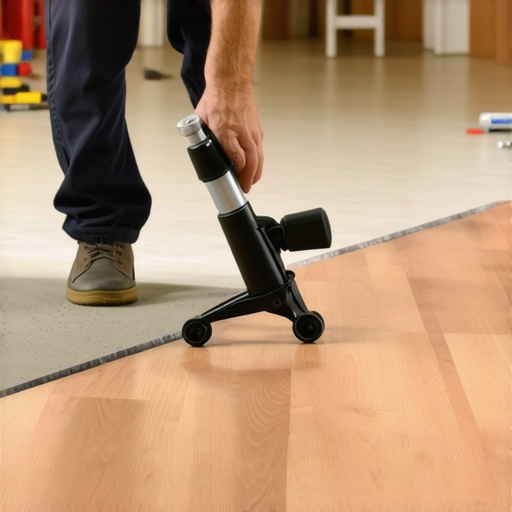
The magnet test uses neodymium rare earth magnets to locate the steel fasteners buried within your subfloor materials. By dragging a high strength magnet across the surface of your plywood or OSB, you can pinpoint the exact center of the underlying floor joist. This technique relies on the magnetic attraction between the fastener head and the magnet, providing a non invasive way to map the structural grid. It is the most reliable method when electronic stud finders fail due to density variations in thick subflooring or when dealing with complex floor leveling layers.
You cannot use a refrigerator magnet for this. You need the kind of magnet that will pinch your skin if you are not careful. We are talking about N52 grade neodymium. The magnetic flux lines need to penetrate through the subfloor material to grab onto the head of a screw or a ring shank nail. In a standard carpet install, finding these joists allows you to secure the tack strips into meat rather than just the thin plywood skin. If you are prepping for a shower, finding the joists determines where you can safely cut your drain hole without compromising the integrity of the home. The chemistry of the steel in those fasteners is your best friend here. Most subfloor screws are carbon steel with a zinc or yellow dichromate coating, providing a perfect landing spot for a magnet.
“A floor is only as good as the subfloor beneath it; deflection is the enemy of every joint.” – Master Flooring Axiom
The ghost in the expansion gap
Floor leveling requires a perfectly stable substrate because any movement in the subfloor will cause the leveling compound to crack and delaminate. Locating joists with the magnet test ensures that you can add additional fasteners to tighten down loose sheets of plywood before the pour. If you miss a joist and just drive screws into the void, you are doing nothing to stop the vertical movement known as deflection. This movement is what destroys laminate locking systems and causes tiles to pop in high moisture areas like showers.
When I am on a job site, I mark every fastener I find with a wax pencil. This creates a visible map of the framing. You start to see patterns. Joists are typically sixteen inches or twenty four inches on center. If you find a fastener that is off the grid, it might be a sign of a sistered joist or a hidden plumbing run. This is structural zooming at its finest. You are looking at the skeleton of the building through the skin of the floor. In dry climates like Phoenix, the wood shrinks and fasteners can lose their grip, leading to those annoying floor squeaks. In humid regions like New Orleans, the wood swells and can pull fasteners upward. The magnet test works regardless of climate because the steel does not move.
The 1/8 inch that ruins everything
Modern laminate floors have a tolerance of only one eighth of an inch over a ten foot span. If your subfloor dips beyond this, the tongue and groove joints on your planks will eventually snap under the weight of foot traffic. Finding the joists allows you to identify which areas need the most aggressive floor leveling. You can use long straightedges to bridge across the joists you have located to see where the subfloor has sagged between the supports. This is where the physics of load bearing come into play.
While most people want the thickest underlayment, too much cushion actually causes the locking mechanisms on LVP to snap under pressure. You want a firm, flat base. If you are doing a carpet install, you have more leeway, but even then, a dip in the floor will be felt through the pad. I always tell my apprentices that the magnet is their most honest tool. It does not need batteries and it does not lie about what is under the wood. If there is no steel, there is no joist. It is that simple.
| Fastener Type | Magnetic Pull Strength | Best Use Case |
|---|---|---|
| Ring Shank Nail | Moderate | Basic Subfloor Attachment |
| Subfloor Screw | High | Squeak Prevention |
| Cleat Nail | Low | Hardwood Fastening |
| Lag Bolt | Very High | Structural Blocking |
Why your subfloor is lying to you
Subfloors can often look flat to the naked eye while hiding significant structural defects that the magnet test can reveal. By mapping the fastener lines, you can see if the previous installers missed the joist entirely, a common occurrence in builder grade homes. When a nail misses the joist, it provides zero structural support, leading to a bouncy floor that will ruin a new laminate job. This is especially problematic when preparing for showers where the weight of the water and tile is immense.
- Clear the floor of all debris and dust to prevent scratching.
- Slide the N52 magnet in a slow zigzag pattern across the floor.
- Mark every strike point with a bright wax pencil.
- Verify the spacing between marks to confirm joist centers.
- Add new screws alongside the old fasteners to stiffen the assembly.
The National Wood Flooring Association has strict guidelines on this. They know that if the subfloor moves, the finish floor fails. It is about the resistance to deflection. If you have a joist span that is too long for the thickness of your plywood, the magnet test helps you locate the exact spots where you might need to add blocking from underneath. You are essentially acting as a structural engineer for a few hours. It is not glamorous, but it is the only way to ensure the work stays flat.
“Subfloor fasteners must be spaced every six inches along the panel edges and every twelve inches in the field to ensure a rigid substrate.” – NWFA Technical Manual
The hidden cost of skipping the magnet
Skipping the joist identification phase leads to catastrophic failure in rigid core flooring and ceramic tile installations. Without knowing where the joists are, you cannot properly install cement backer boards or uncoupling membranes. You end up guessing where the strength is. In a shower, this can lead to a cracked grout line which eventually becomes a leak that rots the very joists you failed to find. I have torn out more showers than I can count because some guy thought he could just thinset over a bouncy subfloor. It is a waste of material and a waste of the client’s money.
When you are dealing with floor leveling, the weight of the self leveling underlayment itself can be heavy. A gallon of water weighs over eight pounds, and you are mixing that with bags of cement. You are adding hundreds of pounds to the floor. You need to know that the joists can handle that dead load. The magnet test gives you the confidence to proceed. It tells you exactly where the structure is strongest. It is the first step in every professional carpet install or laminate project I oversee. We do not guess. We measure. We find the steel. We build it to last.
In the end, it comes down to pride. Do you want to be the guy who gets a call six months later because the floor is clicking? Or do you want to be the guy who knows his floor is anchored to the bones of the house? Use the magnet. Find the joists. Level the floor. Do it right the first time so you do not have to do it again for free. The physics of the building do not care about your schedule. They only care about the load path. Respect the load path, and the floor will respect you.