Why Your Shower Curb Is Soaking Up Water Like a Sponge
I spent three days grinding concrete on a job last month just so the floor wouldn’t click like a castanet. The previous contractor thought he could skip the floor leveling compound and hide a half inch dip with extra thin-set and a thick underlayment. It did not work. But that was not the worst part of that bathroom. When I pulled the transition strip, the subfloor was black. The shower curb, which looked fine from the outside, was actually a saturated mess of rotting pine and mold. It was holding water like a giant, heavy sponge. This is the reality of most builder-grade bathrooms. People focus on the tile color but ignore the structural engineering happening beneath the surface. Water is a patient predator. If you give it a microscopic path, it will take it. A shower curb is the front line of this battle, and most of them are built to fail. They fail because installers treat them as decorative borders rather than hydrostatic barriers. They fail because of physics, chemistry, and a lack of respect for capillary action.
The physics of capillary suction in mortar beds
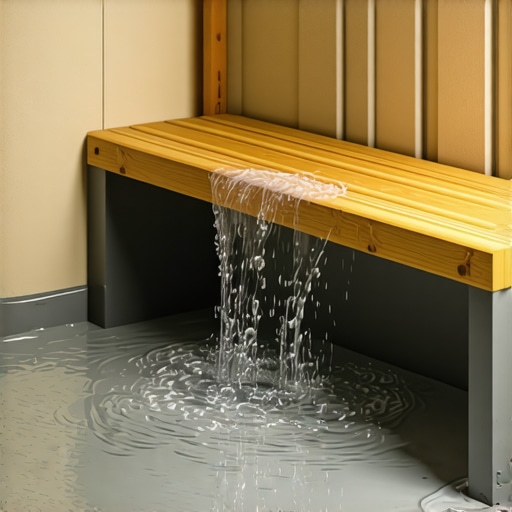
Shower curbs soak up water because mortar is naturally porous. Without a continuous waterproof membrane, water travels through microscopic channels in the cement via capillary action. This saturates the internal structure, leading to wood rot, mold growth, and structural failure of the entire bathroom floor assembly over time. This process is silent and invisible. You will not see a puddle on the floor. You will simply notice that your grout lines are staying dark long after the shower is dry. That darkness is the sign of a saturated substrate. Cementitious grout and thin-set are not waterproof. They are water-resistant at best. Think of them like a hard, brittle sponge. When you stand in the shower, the water pressure from the spray and the weight of your body help push moisture into those pores. Once the water gets past the tile, it looks for a place to sit. If your curb was built with a traditional mortar bed and a poorly integrated liner, that water has found its home. It will sit there, slowly feeding on the wooden studs inside the curb, until the wood swells and cracks the tile from the inside out.
Why your wooden core is a ticking time bomb
Building a shower curb with stacked two-by-fours is a recipe for disaster. Wood expands and contracts at different rates than tile and thin-set. This movement creates micro-fissures in the grout lines, allowing moisture to reach the wood, which then swells and destroys the waterproof seal from the inside. Most old-school installers still use three pieces of 2×4 lumber nailed together. This is a fundamental error in structural engineering. Wood is organic and dimensionally unstable when exposed to humidity. Even if you wrap it in a PVC liner, you are probably driving nails through that liner to attach the cement board or the lath. Every nail is a leak. When that wood gets damp from the inevitable vapor drive, it expands. Tile does not expand. The resulting tension snaps the bond of the thin-set. Now you have a structural failure hidden behind a ceramic facade. I have seen curbs where the wood had turned into a substance resembling wet cardboard. This is why professional standards now lean toward solid foam curbs or pre-cast cement units that cannot rot.
“A floor is only as good as the subfloor beneath it; deflection is the enemy of every joint.” – Master Flooring Axiom
The 1/8 inch that ruins everything
A shower curb must have a slight inward pitch of at least one eighth of an inch toward the drain. If the curb is level or pitched outward, water sits on the surface or runs onto the bathroom floor. Standing water eventually finds a way through the tiniest pinhole in the sealant. Gravity is a constant force. If you do not give water a path back to the drain, it will find its own path. I see this mistake on almost every renovation. The installer levels the curb because it looks better to the naked eye. But a level curb is a failing curb. Water pools on the top of the tile. Over time, that standing water exerts constant pressure on the grout lines. Even the best sealers cannot withstand 24-7 moisture exposure. Eventually, the water wins. It penetrates the grout and begins the wicking process into the curb’s core. This is especially dangerous when you have a glass door installed. If the track is screwed into the curb, you have just created two more holes for water to enter the sponge.
How floor leveling impacts your shower drainage
Proper floor leveling before the shower pan is even built is the only way to ensure the entire system works in harmony. If the subfloor is unlevel, the shower pan may have thin spots where the slope is insufficient, causing water to back up against the curb rather than flowing toward the drain. Many guys think they can fix a bad subfloor with tile, but tile follows the contour of what is underneath. If I am doing a laminate or a carpet install in the bedroom next door, a level floor is about aesthetics and comfort. In a bathroom, it is about survival. I have had to tell homeowners that their $10,000 tile job needs to be ripped out because the installer did not check the joists for sag. When a floor sags near the shower, it creates a valley. Water follows that valley. It gets under the tile at the edge of the curb and starts the rotting process. You cannot skip the prep work. Grinding and leveling are the most important parts of the job. If the foundation is crooked, the waterproofing will eventually snap under the stress of the house shifting.
Comparing shower curb construction methods
The following table breaks down the common materials used in curb construction and their susceptibility to the sponge effect. Note the massive difference in performance between organic and inorganic materials.
| Curb Material | Moisture Resistance | Dimensional Stability | Primary Failure Point |
|---|---|---|---|
| Stacked 2×4 Wood | Low | Very Low | Nail penetrations and rot |
| Mortar Bed (Mud) | Medium | High | Capillary wicking |
| High-Density Foam | Very High | High | Improper membrane bonding |
| Pre-cast Concrete | High | High | Joint leakage |
The failure of the screw hole shortcut
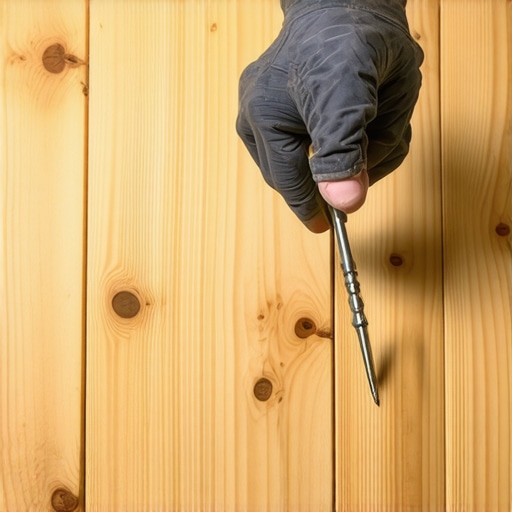
Piercing the waterproofing membrane with screws or nails to attach a glass door track or cement board is the leading cause of curb saturation. Every puncture is a direct highway for water to bypass the tile and enter the subfloor. This is where the mechanic with sawdust under his nails gets angry. You spend a week building a waterproof box, and then the glass guy comes in and drills four holes right through the top of the curb. It is insanity. A professional install uses specialized adhesives or ensures that any mechanical fasteners are heavily treated with silicone and located in areas that do not see direct water spray. But even then, it is a risk. I prefer the use of U-channels that are bonded, not screwed. If you must screw into a curb, you better be sure the core is solid foam and not wood. Foam will not rot when it gets a little damp. Wood will fail every single time.
“Substrate preparation is not a suggestion; it is the fundamental requirement for all tile assemblies according to TCNA standards.” – Installation Protocol
The checklist for a dry shower curb
If you want to avoid your curb turning into a sponge, you need to follow these steps precisely. There are no shortcuts in waterproofing.
- Verify the subfloor is level within 1/8 inch over 10 feet before starting.
- Use a solid, inorganic curb core such as high-density polystyrene.
- Ensure a minimum 1/8 inch inward pitch toward the shower drain.
- Apply a continuous liquid or sheet-bonded waterproof membrane.
- Flood test the entire pan and curb for 24 hours before laying tile.
- Avoid all mechanical fasteners on the top or inside face of the curb.
- Use a high-quality epoxy grout for the curb and the first two rows of floor tile.
The chemistry of the bond and vapor drive
Modern showers are different from the ones built in the 1950s. We use our showers more often, and we use higher-pressure heads that create more steam. This creates vapor drive. Vapor drive is the movement of moisture in a gaseous state through solid materials. When the air inside the shower is hot and the air inside the floor joists is cool, the moisture is pushed into the walls and the curb. If you used a cheap, modified thin-set with low polymer content, the vapor can actually break down the bond over years of use. This is why I insist on premium materials. A cheap bag of thin-set is $15. A good bag is $40. That $25 difference is what keeps your tile from popping off the curb in five years. We are talking about the molecular level here. The polymers in the thin-set create a bridge between the tile and the membrane. If that bridge is weak, the water will find the gap. Once the bond is broken, the curb becomes a reservoir. You might think you have a small leak in the plumbing, but really, you just have a curb that has reached its saturation point and is now leaching water into the surrounding subfloor and the carpet install in the next room.
Long term consequences of ignored saturation
When a curb soaks up water, it does not just stay in the curb. Through osmotic pressure, that moisture travels. It will move into the thin-set of the bathroom floor. It will move into the drywall or backer board of the adjacent walls. I have seen cases where a leaking shower curb caused the laminate flooring in a hallway twenty feet away to buckle and swell. People think their dishwasher is leaking or they have a roof leak, but the source is that sponge in the bathroom. The mold that grows in these dark, damp spaces is a health hazard. It releases spores into the air every time you step on the floor and compress the saturated wood. This is why I tell people that if your curb feels soft or if the grout is missing in chunks, you don’t need a repair. You need a demolition. You cannot dry out a rotted curb. You have to remove the cancer and start over with inorganic materials. Use the right products. Follow the pitch rules. Stop treating your shower like a furniture project and start treating it like a dam. Because that is what it is. It is a dam holding back gallons of water from destroying your home structure. ArticleSchema: {“@context”: “https://schema.org”, “@type”: “HowTo”, “name”: “How to Prevent Shower Curb Water Saturation”, “step”: [{“@type”: “HowToStep”, “text”: “Ensure subfloor is level and structurally sound.”}, {“@type”: “HowToStep”, “text”: “Install an inorganic curb core made of foam or concrete.”}, {“@type”: “HowToStep”, “text”: “Pitch the curb top 1/8 inch toward the drain.”}, {“@type”: “HowToStep”, “text”: “Apply a waterproof membrane without using nails or screws.”}], “totalTime”: “P3D”}