Why Your Shower Drain Smells Like Rotten Eggs After a Week
The air in the workspace was heavy with the scent of WD-40 and the sharp, dry odor of red oak dust I had been sanding since dawn. I am a man who lives on the level. I see a bathroom and I do not see the marble or the vanity. I see the subfloor and the layers of cementitious backer board and the physics of gravity acting on moisture. Most guys skip the leveling compound. They think the underlayment will hide the dip. It will not. I spent three days grinding concrete on a job last month just so the floor would not click like a castanet. The homeowner was furious about a smell. A rotten egg stench was creeping from the shower into the hallway laminate. They blamed the plumber. I knew the truth was hidden in the subfloor and the drainage geometry.
The chemistry of the stagnant trap
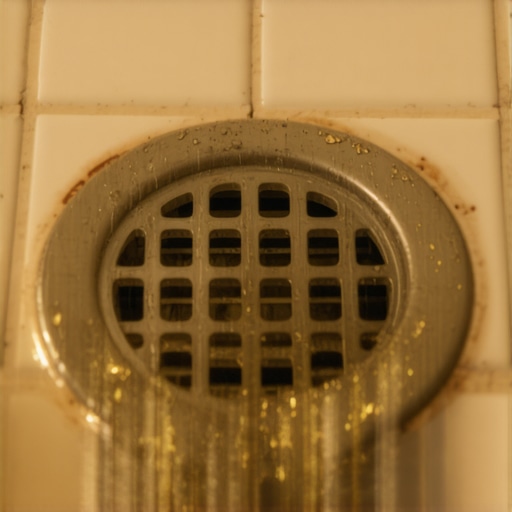
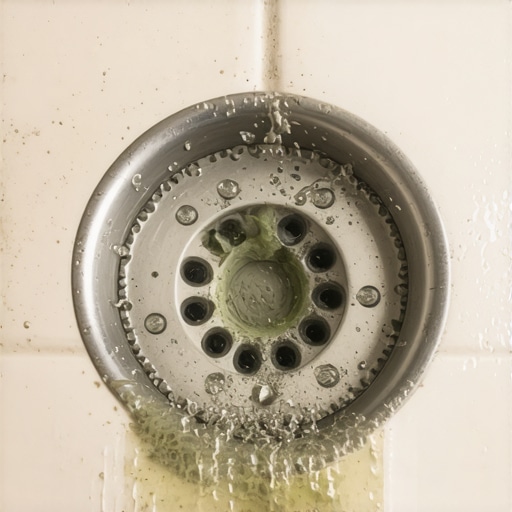
Hydrogen sulfide gas is the chemical byproduct of anaerobic bacteria that colonize organic matter like hair and skin cells. This gas accumulates when the P-trap seal fails or when biofilm creates a thick layer on the interior drain walls. The rotten egg odor indicates a lack of oxygenated water flow within the pipe system.
When you smell that sulfur, you are smelling a structural failure of the plumbing seal or a biological takeover. Inside your drain, the P-trap is designed to hold a specific volume of water to block sewer gases from entering the home. If the house has been vacant for a week, that water evaporates. Or, more likely in a new build, the vent stack is clogged, creating a vacuum that siphons the water out. Once that water barrier is gone, the sewer becomes part of your bathroom. The chemistry of the situation involves the breakdown of proteins by bacteria such as Desulfovibrio. These microorganisms do not need oxygen to thrive. They eat the sludge that builds up from your soap and shampoo, releasing H2S gas. This gas is heavier than air, so it lingers near the floor, right where you stand while brushing your teeth. If you have a carpet install nearby, that fiber will absorb the gas and hold onto it long after the drain is cleaned.
“A floor is only as good as the subfloor beneath it; deflection is the enemy of every joint.” – Master Flooring Axiom
The physics of the invisible swamp
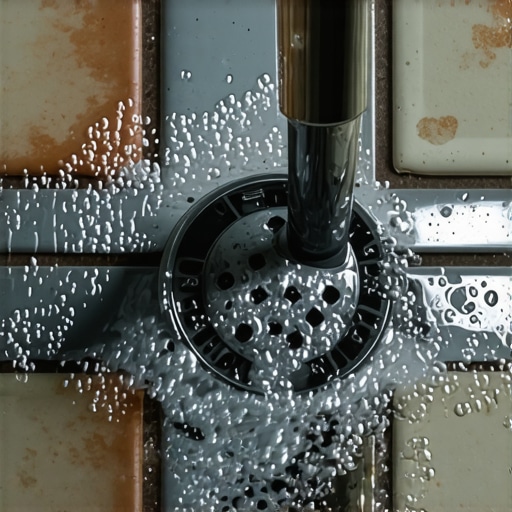
Proper slope in a shower pan is defined by TCNA standards as a one-quarter inch per foot drop toward the drain flange. If the floor leveling was done incorrectly before the liner was set, water pools in the mud bed. This trapped moisture rots, creating a foul smell that persists regardless of how much bleach you pour down the drain.
I have seen this a hundred times. An installer gets lazy with the floor leveling. They think the tile will hide the imperfections. It does not work that way. If the subfloor is not perfectly flat before the shower pan is constructed, the pre-slope will have low spots. These low spots become an invisible swamp. Water seeps through the grout, into the mortar bed, and stays there. It cannot reach the weep holes in the drain because the gravity is working against it. In the world of flooring, we call this a biological time bomb. The moisture sits on the waterproof membrane and starts to ferment. This is why your shower smells like rotten eggs a week after you move in. It is not the drain itself. It is the water sitting under the tile that has no way to escape. If you transition from this shower to a laminate floor in the bedroom, the humidity from this failure will eventually cause the laminate to swell at the edges, even if it is sold as waterproof.
| Material Factor | Technical Specification | Impact on Odor |
|---|---|---|
| Drain Pipe Diameter | 2 Inches Standard | Determines flow velocity to flush solids |
| P-Trap Depth | 2 to 4 Inches | Maintains the hydraulic gas seal |
| Mortar Bed Porosity | High Density Mix | Prevents water retention in the pan |
| Subfloor Deflection | L/360 Minimum | Prevents grout cracking and water leaks |
The ghost in the expansion gap
Expansion gaps are the essential one-quarter inch spaces left at the perimeter of a flooring installation to allow for thermal expansion. When a shower leak occurs, moisture travels into these gaps, rotting the tack strips and the subfloor. This trapped humidity fuels mold growth and intensifies sulfurous smells in the room.
Most people want the thickest underlayment they can find, thinking it adds luxury. It is a mistake. Too much cushion actually causes the locking mechanisms on LVP or laminate to snap under pressure. When those joints snap, moisture from a poorly vented shower can migrate under the planks. I have pulled up floors where the underside was black with mold because the homeowner ignored a minor drain smell. The smell of rotten eggs is a warning. It tells you that the mechanical systems of the house are failing to manage moisture. It might be the wax ring on the toilet, or it might be the weep holes in the shower drain. Those little holes are there for a reason. If the tile guy filled them with thin-set, he effectively turned your shower floor into a stagnant pond. You can scrub the surface until your fingers bleed, but you will never hit the source of the rot.
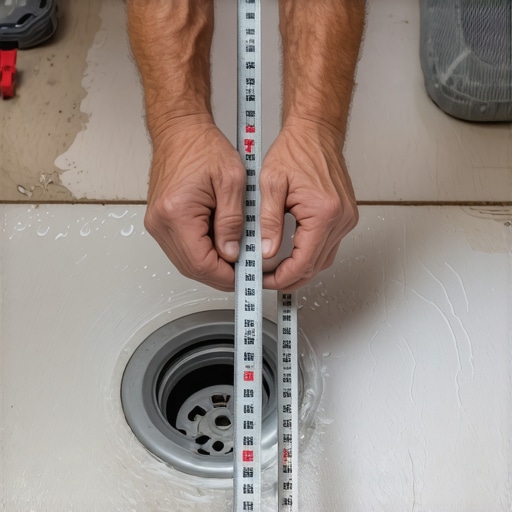
- Check the P-trap water level by looking down the drain with a flashlight.
- Inspect the weep holes for blockages caused by grout or debris.
- Verify that the plumbing vent on the roof is not obstructed by bird nests.
- Ensure the subfloor is not showing signs of water damage near the bathroom threshold.
- Test the moisture content of the nearby laminate or carpet with a meter.
“The slope of the subfloor under a shower pan must be consistent to ensure all moisture reaches the weep holes.” – TCNA Handbook for Ceramic, Glass, and Stone Tile Installation
The architectural failure of the vent stack
Atmospheric pressure must be balanced within the drainage system through a vent stack to prevent siphoning. If the vent pipe is too small or blocked, the vacuum pressure will pull water out of the P-trap. This allows sewer gas to enter the living space unimpeded.
It is a matter of hydraulics. Every time you flush a toilet or run the washing machine, a slug of water moves through the main line. If there is no air behind that water, it creates a vacuum. That vacuum looks for the easiest place to get air, which is usually your shower drain. It sucks the water right out of the trap. Now the barrier is gone. Within a week, the sewer gases have filled the bathroom. If you live in a high humidity area, this process is accelerated by the rapid growth of bacteria in the warm, moist air. I tell people all the time that a floor is more than just what you walk on. It is a part of a thermal and mechanical envelope. If the floor leveling was done correctly and the plumbing was vented right, you would never smell a thing. But builders cut corners. They use cheap materials and skip the prep work. They ignore the chemistry of the adhesives and the physics of the slope. And you are the one left smelling the results. Always check your trap. Always check your level. Never trust a builder who says the underlayment will fix the dip. It will not. “