Why Your Bathroom Grout Is Turning Orange
The orange stain that signals structural failure
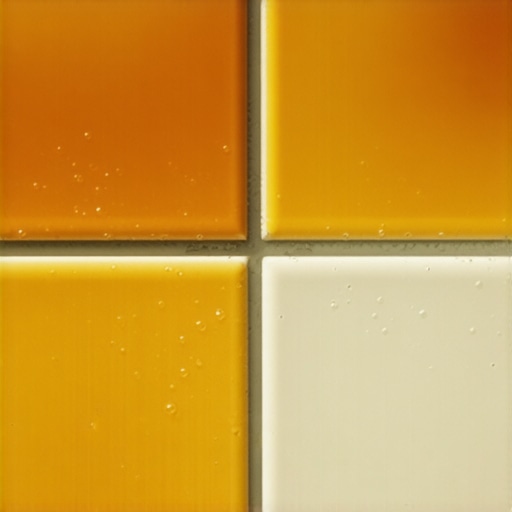
Most guys skip the leveling compound. They think the underlayment will hide the dip. It won’t. I spent three days grinding concrete on a job last month just so the floor wouldn’t click like a castanet. While I was there, the homeowner asked me why the grout in her master shower looked like a rusty engine block. She thought it was her shampoo. It wasn’t her shampoo. I had to break the news that her grout was dying from the inside out. I have spent twenty-five years on my knees looking at tile joints, and that orange tint is never just a surface issue. It is a chemical reaction. It is a biological invasion. It is a sign that your bathroom is losing the war against moisture. When you see that neon rust color, you are looking at the physics of a failing installation. Most people want to spray it with bleach and walk away. That is a mistake. Bleach is like putting a band-aid on a broken leg. You need to understand the molecular reality of what is happening under the tile. If you do not fix the root cause, you will eventually be ripping out the subfloor and the floor leveling compound because of rot. I have seen it happen a hundred times. A beautiful bathroom turns into a demolition site because someone ignored a little bit of orange in the corner of the shower. This is not about aesthetics. This is about structural engineering and water management.
The invisible minerals in your water
Orange grout is caused by high concentrations of iron oxide and manganese in the domestic water supply. These minerals settle into the porous structure of cementitious grout through capillary action. As the water evaporates, it leaves behind ferrous deposits that oxidize when exposed to oxygen, creating a permanent rust stain on tile joints and shower surfaces. This process is common in homes with well water or corroding galvanized pipes that release metallic particulates into the plumbing system. You are basically painting your floor with liquid rust every time you take a shower. The grout is like a sponge. It has microscopic voids that pull the iron right out of the water. Once that iron hits the air, it turns into ferric oxide. That is the exact same stuff that eats through the fender of an old truck. If you have white or light gray grout, it shows up immediately. If you have darker grout, it just looks muddy and dull. Most homeowners think they can scrub it away. You cannot scrub out a molecular bond. You have to stop the iron from getting there in the first place. This usually requires a whole-house water filtration system or an iron curtain filter. Without it, you are just spinning your wheels. You can regrout the whole room today, and in six months, it will be orange again. It is a cycle of mineral buildup that never stops until the water chemistry changes. I have seen people spend thousands on new tile only to have it ruined in a single season because they did not test their water hardness first. It is a tragedy of plumbing and chemistry. [image_placeholder]
The bacterial invasion of serratia marcescens
Serratia marcescens is a Gram-negative bacterium that produces a prodigiosin pigment which appears as a pink or orange film on grout lines. This pathogen thrives in moist environments and feeds on phosphates found in soap scum and shampoo residue. It is an airborne organism that colonizes tile joints, silicone caulk, and shower curtains where ventilation is inadequate and standing water persists after use. This is the stuff that looks slimy. It is not rust. It is a living colony of bacteria. It loves your bathroom because it is warm and wet. Every time you leave the shower door closed without the fan running, you are giving these microbes a five-star hotel. They specifically love the fatty acids in your fancy soaps. They eat the soap and poop out orange pigment. It sounds disgusting because it is. If you have an orange ring around your drain, that is likely Serratia. It is also a health hazard for people with compromised immune systems. You cannot just wipe this away with a sponge. You have to change the environment. That means better ventilation. It means squeegeeing the walls. It means using a grout sealer that actually seals. Most of the stuff you buy at the big-box store is garbage. It is water-based and wears off in a month. You need a high-quality solvent-based impregnating sealer. If the moisture cannot get into the grout, the bacteria cannot grow. It is as simple as that. I always tell people to check their fan. If it cannot hold a square of toilet paper against the intake, it is not moving enough air. You are basically living in a swamp, and the bacteria are the landlords.
The 1/8 inch that ruins everything
Proper drainage and floor leveling are the only ways to prevent standing water from feeding grout-staining bacteria and mineral deposits. A shower floor must have a minimum slope of one-quarter inch per foot toward the drain to ensure total evacuation of surface water. If the subfloor was not leveled before the pre-slope was installed, low spots will create puddles where minerals and soap scum concentrate, leading to localized orange staining. I see this constantly. Some guy thinks he can eyeball the slope. He cannot. You need a level and a plan. When water sits on the tile for hours after a shower, it is soaking into the grout. It is carrying all those minerals and bacteria deep into the cement. If your floor is flat, you are doomed. I have had to rip out brand-new floors because the installer did not understand the physics of water. They thought the tile was waterproof. Tile is not waterproof. Grout is definitely not waterproof. The whole system relies on water moving toward the drain as fast as possible. If you have a dip in the floor, that dip becomes a petri dish. I spent half my career fixing floors that were not level. It is the most boring part of the job, but it is the most important. You can have the most expensive Italian marble in the world, but if the water does not move, it will turn orange. You have to respect the gravity. You have to respect the slope. This is where the mechanic with sawdust under his nails wins every time. We do not care how the tile looks until we know the subfloor is perfect.
“Grout is not waterproof; it is a porous filler designed to accommodate movement and bridge gaps.” – Master Flooring Axiom
Why cheap sealants fail after six months
Grout sealers fail when inferior acrylic polymers degrade under exposure to alkaline cleaning agents and hot water. A high-performance impregnating sealer uses silanes and siloxanes to create a hydrophobic barrier at the molecular level, preventing iron-rich water from penetrating the grout matrix. Without this chemical shield, the porous cement acts as a filter, trapping oxidized minerals and organic matter that cause permanent orange discoloration. People buy those spray-on sealers and think they are protected for ten years. They are lying to themselves. Those products are thin. They do not soak in. I use sealers that smell so bad you need a respirator because they actually work. They penetrate deep into the pores of the grout. They change the surface tension so water beads up like it is on a freshly waxed car. If your grout does not bead water, it is not sealed. It is that simple. When you use cheap cleaners with high pH levels, you are stripping away what little protection you have. You are basically opening the front door and inviting the stains inside. I tell my clients to stay away from the heavy chemicals. Use a neutral cleaner. Keep the sealer fresh. If you do not want orange grout, you have to maintain the barrier. It is like maintenance on a truck. You do not wait for the engine to blow up before you change the oil. You do not wait for the grout to turn orange before you re-seal it.
Moving from carpet to tile in a damp environment
Transitioning from carpet to tile requires moisture management because carpet fibers can act as a wick for ambient humidity, transferring moisture to the edge of the tile installation. When bathrooms are adjacent to carpeted halls, high humidity often causes bacterial growth at the transition strip, which then migrates into the grout lines. This wicking effect is a major cause of orange stains near doorways where airflow is restricted and moisture is trapped between different flooring materials. I hate carpet in bathrooms. It is a relic of the 1970s that needs to die. Even if the carpet is in the hallway, it can cause problems. If you have a leak in the shower, the carpet will soak it up and hold it against the subfloor. Then you get mold. Then you get the orange bacteria. When I do a carpet install, I make sure the transition to tile is tight and the subfloor is sealed. You cannot have two different materials fighting each other. They need a clear boundary. If your grout is only orange near the carpet, you have a moisture migration problem. You probably have a subfloor that is damp. I have pulled up carpet and found the wood underneath was black with rot. The homeowner had no idea. They just thought the grout looked a little funny. The floor tells a story if you know how to read it. Orange is a chapter about water that is not going where it should.
Concrete slab physics and mineral leaching
Efflorescence occurs when moisture moves through a concrete slab, dissolving calcium carbonate and other salts which then crystallize on the grout surface. When these alkaline salts mix with iron-rich ground water, they create a crusty orange residue that is nearly impossible to remove without acidic cleaners. This hydrostatic pressure can push minerals through the capillary pores of even high-quality tile, leading to bonding failures and permanent staining. If your bathroom is on a slab, you are at the mercy of the earth. If you did not put down a moisture barrier, that concrete is breathing. It is pulling water up from the dirt. That water is full of minerals. It hits the grout and reacts. This is why I am a stickler for the vapor barrier. I do not care if it is laminate or tile. If you do not stop the moisture from the slab, the floor will fail. I have seen laminate buckle because of slab moisture. I have seen tile pop off the floor like a bottle cap. The orange stain is just the warning shot. It means you have a moisture problem that is bigger than just a dirty shower. You are looking at the chemistry of the earth coming through your floor. It is a powerful force. You cannot beat it with a scrub brush. You beat it with a 10-mil poly sheet and a proper installation.
“The structural integrity of a floor depends entirely on the management of moisture at the bond line.” – Master Flooring Axiom
The checklist for grout maintenance
Before you give up and rip the whole floor out, follow this technical protocol. This is how the pros handle it without wasting time on gimmicks.
- Check the water hardness and iron levels with a professional testing kit.
- Inspect the shower fan for proper CFM (Cubic Feet per Minute) airflow.
- Clean the grout with a neutral pH oxygen-based cleaner to lift organic stains.
- Use a stiff nylon brush, never a metal brush which can damage the grout matrix.
- Apply a high-quality solvent-based impregnating sealer once the grout is bone dry.
- Replace any cracked silicone caulk at the change of plane joints.
- Squeegee the walls and floor after every single use to prevent standing water.
Comparing grout performance and stain resistance
The type of grout you choose determines how much maintenance you will be doing for the next decade. If you chose wrong during the install, you are fighting an uphill battle.
| Grout Type | Porosity Level | Stain Resistance | Best Use Case |
|---|---|---|---|
| Sanded Grout | High | Low | Large joints over 1/8 inch |
| Unsanded Grout | High | Low | Thin joints in wall tile |
| High-Performance Cement | Medium | Medium | Modern residential floors |
| Epoxy Grout | Zero | Extreme | Commercial and high-moisture showers |
| Pre-mixed Urethane | Very Low | High | Consistent color and flexibility |
If I were building a shower for myself, I would use epoxy grout. It is a nightmare to install. It is sticky, it is expensive, and you only have a few minutes before it hardens into plastic. But once it is in, it is bulletproof. It does not have pores. It does not absorb water. It does not turn orange. Most installers hate it because it is hard work. They want to use the cheap sanded stuff because they can be in and out in an hour. But then you are the one stuck with the orange stains three years later. You have to decide if you want it done fast or if you want it done right. A floor is a performance surface. It should not be a chore to keep clean. If your installer says he does not like epoxy, find a new installer. He is being lazy. He is not thinking about the physics of your bathroom. He is thinking about his lunch break.
Why your grout is lying to you
The orange color is a symptom of a deeper systemic failure in the bathroom environment. Whether it is the water chemistry, the bacterial load, or the failure of the moisture barrier, you cannot ignore it. I have spent my life learning that the smallest details are the ones that ruin the job. A 1/8 inch dip in the floor. A cheap sealer. A fan that does not vent. These are the things that turn a beautiful bathroom into a moldy mess. Do not just look at the color. Look at the science. Test your water. Check your slope. Seal your joints. If you treat your floor like a structural engineering project, it will last forever. If you treat it like a decoration, it will fall apart. That is the blunt truth from a guy who has seen the back side of a thousand subfloors. Respect the materials, and they will respect you back. If you don’t, you’ll be seeing me soon with a jackhammer, and nobody wants that.