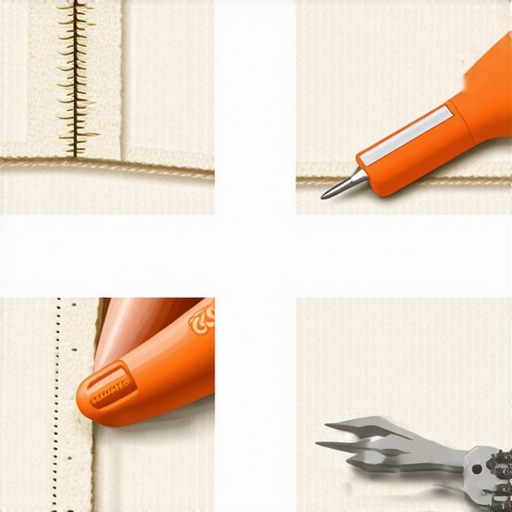
It was a brisk Saturday morning when I finally decided to tackle my living room carpet. I had laid it down just a few years prior, and yet, those pesky seams started fraying prematurely, giving away the fact that I overlooked some crucial details. Seeing those frayed edges was like watching my investment slowly unravel—literally. I felt that sinking feeling, the one where you realize your DIY project isn’t quite holding up as planned. That was my lightbulb moment: seams matter—and if I didn’t address the root causes now, those frays would only worsen, leading to costly replacements before 2026.
Why Carpet Seam Fraying Could Cost You Big Time
Every homeowner knows that a beautiful, durable carpet can transform a space. But what happens when those seams start to unravel at the edge? Fraying seams aren’t just an eyesore—they can lead to further damage, including unraveling of the entire carpet and increased wear and tear. Plus, frayed seams can create tripping hazards, affect the carpet’s lifespan, and diminish your home’s overall aesthetic appeal. If you’re like me, you don’t want to be looking at fraying edges in just a few years, especially with the looming costs of replacing flooring before 2026.
Interestingly, many don’t realize that improper installation or neglecting small issues early on are primary culprits. For example, one common mistake is ignoring the importance of proper tack strip placement, leading to seams that aren’t secured tightly enough and come apart easily. It’s a mistake I made early on, which I now see is widespread. But don’t worry—there are effective fixes that can extend the life of your carpet seams and save you big bucks. If you’ve faced this problem or want to prevent it, stay tuned. We’re about to dive into four proven fixes that can help you stop fraying before it starts.
Is Carpet Seam Fraying Actually Worth the Hype?
Honestly, I was skeptical at first. I thought that seams were just a minor detail, something only professional installers cared about. But after experiencing the frustration of frayed edges and researching the common pitfalls, I learned that these small issues rapidly snowball into bigger problems—costly repairs and replacements that could’ve been avoided. Early missteps, like neglecting proper seam bonding or not checking the subfloor’s condition, contributed significantly to my carpet’s early demise. For a comprehensive guide on common installation mistakes, I recommend checking out this article. Now, I’m all about preventative measures, because trust me—they make all the difference.
So, if you’ve ever wondered whether those seams are worth fussing over, or if a quick fix now can really make a difference, I’ve got good news: It absolutely can. Up next, I’ll walk you through four practical fixes I’ve tested myself, designed specifically to stop fraying in its tracks—many of which you can do with some basic tools and a bit of patience. Let’s get started and protect your flooring investment for years to come!
,
Secure the Edges with Proper Tacking
In my own experience, the first step was to ensure the tack strip was properly positioned. I removed the loose section, checked the tack strip alignment, and nailed it firmly into the subfloor. Think of it like tightening the laces on a shoe — if they’re loose, everything else slips. After re-securing the tack strip, I stretched the carpet tight over the seams, preventing early fraying. For a detailed guide, see this resource.
Apply Carpet Seam Sealer Correctly
The next step involved sealing the seams with a specialized adhesive. I used a seam sealer recommended for high-traffic areas. Applying it with a caulking gun, I carefully coated the seams to create a strong bond that resists fraying. Imagine sealing a paper bag; you want it tight so it doesn’t rip open. Remember, uneven application can cause gaps, so be meticulous. For best results, watch tutorials or help from professionals if needed.
Use Carpet Tape for Reinforcement
After sealing, I added double-sided carpet tape along the seams for extra adhesion. It acts like a safety net, preventing the edges from lifting or fraying prematurely. I pressed the tape firmly into place, ensuring full contact with the carpet fibers and substrate. Think of it as reinforcing a weak stitch in clothing — it prolongs its lifespan. This step is especially valuable in areas with high foot traffic.
Regular Maintenance and Minor Repairs
Finally, I committed to regular inspections. Every few months, I checked the seams for signs of wear or looseness. When I spotted minor frays, I used a seam repair kit, trimming frayed fibers and re-sealing as needed. This proactive approach is like catching small cracks in a wall before they become major issues. Maintaining your seams today can save a costly replacement tomorrow. For more advanced tips, check out this guide.
While many homeowners focus on the visible aspects of flooring and bathroom renovations, the real issues often lie beneath the surface. One common misconception is that following standard installation procedures guarantees durability, but in my experience, paying attention to nuanced details makes all the difference. For instance, many assume that a quick adhesive application suffices for shower waterproofing, yet professional studies reveal that improper sealing can lead to silent leaks, causing costly damage over time. Specifically, neglecting the significance of proper shower pan slope and waterproof membrane integration can result in water seepage into subfloors, which is infamous for remaining undetected until significant deterioration occurs. According to expert analyses such as those found at this resource, precise slope and comprehensive sealing are crucial for long-term shower integrity.
Tools I Recommend for Long-Term Flooring Success
Maintaining your floors over time requires the right equipment. I personally swear by a high-quality staple remover, which makes re-seaming carpets effortless and preserves their integrity. For laminate and hardwood, a professional-grade moisture meter is indispensable. I’ve used the Tramex Moisture Encounter Plus, which provides quick and accurate readings of subfloor moisture levels—critical before any installation or repair. Additionally, a durable floor leveler trowel, like the Marshalltown V-Notch, ensures precise application of self-leveling compounds, helping to prevent subtle dips that cause bouncing or squeaks in laminate flooring. For shower renovations, an industrial-grade silicone caulk gun with a smooth trigger prevents uneven application—I’ve found that cheap guns often lead to waste and irregular seals. Regularly updating your toolkit with these reliable items has dramatically improved my maintenance routine, reducing recurring issues and extending the lifespan of my installations.
Methodical Maintenance for Enduring Results
Consistent upkeep is key. Scheduling semi-annual inspections can catch early signs of wear—like hairline cracks or minor leaks—that, if ignored, escalate into costly repairs. For carpets, I recommend using a seam repair kit periodically to re-secure fraying edges before they unravel completely—a task made easier with a seam lifter and reinforces adhesive. Laminate floors benefit from gentle cleaning with pH-neutral solutions to avoid damaging the sealant or adhesive layers. I also advise testing for hidden leaks behind shower panels using a 15-minute flood test, especially after heavy rainfall or long-term backups, because those silent leaks can rot subfloors, leading to the dreaded buckling or warping according to expert analysis. Incorporating these practices and tools into your routine ensures your flooring investments remain both beautiful and functional for years to come.
Lessons the Sharpest Flooring Experts Won’t Spill
One eye-opening realization for me was how a tiny oversight in seam sealing can snowball into significant damage, reminding me that details truly make or break longevity. I learned that patience and precision during installation prevent costly repairs later, especially when it comes to properly preparing the subfloor and ensuring tight seams. Don’t underestimate the value of a thorough inspection—looking for hidden vulnerabilities before they become issues saves both money and stress.
Another lesson emerged from my tendency to overlook the importance of regular maintenance. Small weekly checks and minor touch-ups can catch potential fraying early, turning an impending disaster into a quick fix. I discovered that staying proactive with re-sealing and reinforcing seams extends the life of my carpet more than any quick patch job done in haste.
The final insight was the power of investing in quality tools and materials. Using professional-grade seam sealers, sturdy tape, and reliable tools makes the difference between a repair that lasts and one that fails prematurely. High-quality supplies not only improve the results but also make DIY repairs more manageable, boosting your confidence in maintaining your flooring’s integrity.
My Top Picks to Keep Your Floors Flawless
For me, essential tools like a professional seam sealer from trusted brands are non-negotiable—they ensure durable bonds that resist wear. A sturdy caulking gun with a smooth trigger has made applying sealant effortless, decreasing the chances of uneven coverage. I swear by a top-rated seam repair kit, which simplifies minor fixes and helps me stay ahead of fraying edges. For checking moisture levels and subfloor conditions, a quality moisture meter from Tramex has been invaluable, helping me prevent issues like buckling or warping before they start. Lastly, an ergonomic carpet stretcher has given me confidence to achieve tight, wrinkle-free installations that stand the test of time.
Your Path to Longer-Lasting Floors Starts Today
Remember, caring for your flooring isn’t just about aesthetics—it’s about safeguarding your investment and enjoying the comfort of a beautiful home. Small, consistent efforts make a remarkable difference, and the right tools can transform a daunting task into a manageable one. Don’t let overlooked details compromise your space—embrace these trusted fixes and proactive maintenance routines. Now is the perfect time to get started, so your carpets and floors remain a source of pride for years to come.