The ‘Spray Bottle’ Secret for Testing Your Subfloor Porosity
The ‘Spray Bottle’ Secret for Testing Your Subfloor Porosity
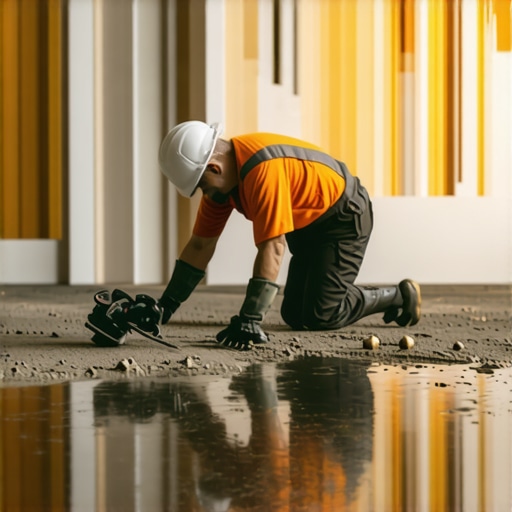
Most guys skip the leveling compound. They think the underlayment will hide the dip. It won’t. I spent three days grinding concrete on a job last month just so the floor wouldn’t click like a castanet. The homeowner bought a high-end laminate, but the slab was like a series of rolling hills. If I had just poured the leveler without checking porosity, the whole thing would have popped off the slab within a week. I had to get the sprayer out. I had to see if that concrete was going to drink my primer or spit it back at me. You cannot build a skyscraper on a swamp, and you cannot install a luxury floor on a substrate that refuses to bond. I smell like floor wax and old oak dust most days, and I have seen more $20,000 floors fail because of a two-dollar spray bottle test than for any other reason. We are talking about the molecular reality of your house. We are talking about the difference between a floor that lasts forty years and one that sounds like crunching potato chips in six months.
The water droplet test for subfloor bond strength
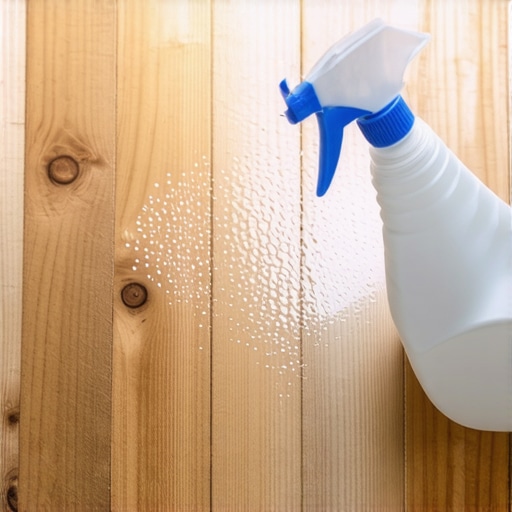
Subfloor porosity determines if floor leveling compounds or adhesives will bond correctly to the substrate. A simple spray bottle test identifies if the surface is over-absorptive or non-porous, which prevents bond failure and delamination in laminate, carpet install, or tile projects. You take a simple bottle of distilled water and mist the surface. If the beads of water sit there like morning dew on a waxed car, you have a problem. If the water vanishes into the concrete in under ten seconds, you have a different problem. This is the chemistry of the mechanical bond. When we talk about floor leveling, we are talking about creating a surface that can accept a chemical marriage between the slab and the leveling agent. If the slab is too thirsty, it sucks the moisture out of the leveler before the polymers can cross-link. This leads to a chalky, weak interface. If the slab is closed off, the leveler just sits on top like a film of oil, waiting for the first heavy piece of furniture to snap it loose.
“A floor is only as good as the subfloor beneath it; deflection is the enemy of every joint.” – Master Flooring Axiom
The concrete capillary action nightmare
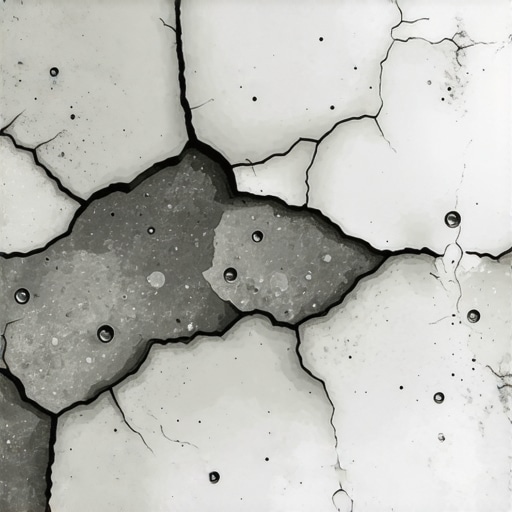
Concrete is not a solid block of stone. It is a dense forest of microscopic tubes called capillaries. When concrete cures, the excess water evaporates, leaving behind a network of voids. These voids are what we measure when we talk about porosity. In high-humidity regions like New Orleans or Houston, these capillaries are often filled with moisture from the earth below. This is why a vapor barrier is not a suggestion, it is a survival tool. When you perform a carpet install, people think the pad protects the subfloor. It does not. If your concrete is porous and the water vapor transmission is high, that carpet pad becomes a greenhouse for mold. I have pulled up carpet in damp basements where the subfloor was so porous it felt like a sponge. You could smell the rot from the driveway. You must understand the ASTM F3191 standard. This is the standard practice for field determination of substrate water absorption. It is the professional way of saying we need to see how fast the floor drinks. If the water does not penetrate, you might be looking at laitance, which is a weak, milky layer of cement dust and lime that rises to the top during finishing. Laitance is a liar. It looks like solid concrete, but it has no structural integrity. You have to grind it off. You have to get down to the aggregate.
The physics of self leveling compounds
Self leveling underlayment is a marvel of modern engineering. It is a high-flow, cementitious material designed to create a flat and level surface. But it is temperamental. It requires a specific surface profile, often referred to as a CSP 3 by the International Concrete Repair Institute. This is where the spray bottle secret becomes your best friend. If your test shows the floor is non-porous, you cannot just pour the juice. You need an epoxy primer or a mechanical bond enhancer. If the floor is over-porous, the leveler will dry too fast, leading to pinholes and spiderweb cracks. These cracks are the death knell for a laminate floor. Laminate relies on a flat surface to maintain the integrity of its click-lock joints. If the subfloor has a dip because the leveler failed to bond, the joint will flex every time you step on it. Eventually, the tongue snaps. Then you have a gap. Then you have a floor that moves. It is a domino effect of failure that starts with a single droplet of water. I have seen guys try to fix this by double-stacking underlayment. That is a crime. Too much cushion causes the locking mechanisms on LVP to snap under pressure. You need a hard, flat, and bonded base.
The bond between thinset and shower pans
In the world of showers and wet areas, porosity is the difference between a dry house and a lawsuit. If you are installing tile in a walk-in shower, the subfloor or the backer board must be properly primed. The Tile Council of North America is very clear about substrate preparation. If the mortar loses its water to a porous substrate too quickly, it cannot form the crystals necessary for a structural bond. I remember a job where a guy used a cheap thin-set on a highly porous slab for a custom shower. Six months later, the tiles were literal stepping stones. They weren’t attached to anything. They were just floating on a bed of dust. The spray bottle would have shown him that the slab was too dry. He needed to dampen the substrate to a Saturated Surface Dry condition. This is where the concrete is full of water but the surface is dry to the touch. This prevents the slab from robbing the thin-set of its lifeblood. It is a balance of hydration. It is a dance of moisture.
| Subfloor Type | Absorption Rate | Required Action |
|---|---|---|
| Polished Concrete | Very Low | Mechanical grinding or specialty primer |
| Old Wood Subfloor | Medium to High | Plywood overlay or porous primer |
| New Concrete Slab | High | Moisture sealer and SLU primer |
| Gypsum Underlayment | Extreme | Dedicated gypsum-bond primer |
The 1/8 inch that ruins everything
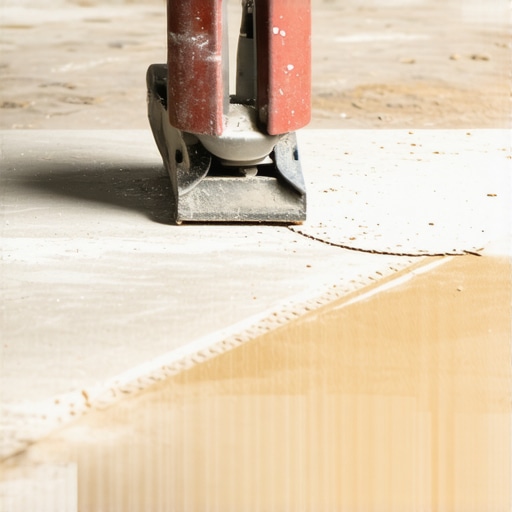
The industry standard for floor flatness is usually 1/8 inch over ten feet. That sounds like a small margin. It is not. In the world of high-end flooring, 1/8 inch is a canyon. If your subfloor has a hump, your laminate will teeter-totter. If it has a dip, it will bridge the gap and eventually fail. When you use the spray bottle, you are checking if you can fix these deviations with a bonded leveler. You have to look for the ghosts in the concrete. These are old adhesive residues, oils, or curing compounds. They are invisible to the naked eye but the water droplet will reveal them. If the water beads up, there is a ghost. You cannot prime over a ghost. You have to remove it. I use a diamond cup wheel on a seven-inch grinder to strip the surface. It is a dirty, dusty, miserable job. But it is the only way to ensure the leveler stays where I put it. Most DIYers want to skip the grinding. They want to believe the primer will stick to anything. It won’t. Primer is not magic. It is just a bridge. If the bridge is built on grease, it will fall.
A checklist for the perfect substrate
- Check for flatness using a ten-foot straightedge.
- Perform the spray bottle porosity test in ten different locations.
- Verify the slab temperature is within the manufacturer’s range.
- Check the pH levels of the concrete to ensure it is not too alkaline.
- Remove all old paint, oil, and drywall mud.
- Seal the perimeter to prevent leveling compound from leaking into the walls.
- Use a spiked roller to release air bubbles from the wet leveler.
The ghost in the expansion gap
Expansion gaps are the lungs of a floor. Wood moves. Laminate moves. Even tile expands and contracts with the seasons. If you bond your floor to a subfloor that was not properly prepared, the floor cannot move. It becomes locked. When the humidity hits in the summer, the floor will buckle. It will heave. I have seen floors rip the baseboards right off the wall because they had nowhere to go. This is why we check porosity. If the leveling compound is not bonded, the whole mass of the floor and the leveler can shift independently. This creates a grinding sound. It sounds like sand under the floorboards. It is the sound of a failed installation. You need to ensure the subfloor is monolithic. It should be one single, solid piece of engineering. Use the sprayer. Watch the water. Listen to what the concrete is telling you. It does not lie. It is the most honest part of the house. It will tell you exactly how it was poured and how it was finished if you just know how to look.
“The presence of moisture in the concrete slab is the primary cause of flooring failure, yet porosity is what dictates how we treat it.” – NWFA Technical Guidelines
Why carpet install requires a dry base
People treat carpet like it is a fix-all for a bad floor. It is the opposite. Carpet hides the problem until the problem becomes a health hazard. If you have a porous slab with high moisture vapor emission, the carpet traps that water. The spray bottle test helps you understand if you need a liquid-applied moisture barrier before the pad goes down. If the water absorbs instantly, your slab is a wide-open highway for moisture from the ground. In a carpet install, this leads to that musty basement smell that never goes away. You can clean the carpet a hundred times, but the smell is coming from the concrete itself. It is coming from the bacteria living in the pores of the slab. You must seal those pores. You must close the highway. I have seen homeowners spend thousands on steam cleaning when all they needed was a properly prepared subfloor. It is about the foundation. It is about the invisible reality beneath your feet.
The final verdict on subfloor preparation
Take the extra day. Buy the spray bottle. Use distilled water so the minerals don’t mess with the reading. If the water sits, grind it. If the water sinks, prime it. Do not trust the guy who says he can just float it out with some extra padding. He is not the one who will be there in three years when the floor starts to crunch. Floor leveling is not a cosmetic upgrade. It is a structural necessity. I have spent twenty-five years on my knees learning these lessons the hard way. I have seen the heartbreak of a ruined hardwood floor and the mess of a delaminated tile job. It all comes back to the subfloor. It all comes back to how that first layer of material interacts with the world. Your floor is a performance surface. Treat it like one. Respect the physics. Respect the chemistry. And for heaven’s sake, keep your spray bottle in your tool bag. It is the most important tool you own. Stop looking at the color of the wood and start looking at the pores of the stone. That is where the real work happens.