The ‘Sewer Gas’ Warning: Why Proper Drainage Repair Saves Your New Bathroom Tile Foundation
The ‘Sewer Gas’ Warning: Why Proper Drainage Repair Saves Your New Bathroom Tile Foundation
That faint, unmistakable scent of rotten eggs wafting through your master ensuite isn’t just an inconvenience; it’s a biological alarm system. For homeowners in the Lower Mainland, encountering sewer gas is often the first sign of a much deeper, more expensive problem lurking beneath your floorboards. As a professional managing plumbing vancouver projects, I have seen far too many beautiful, high-end bathroom renovations fall apart within months because the underlying infrastructure was ignored. A new bathroom is a significant investment, but that investment is only as stable as the drainage repairs performed before the first thin-set is spread.
My name is Deep Gill, and at Gator Plumbing & Drainage Ltd., we specialize in the intersection of structural integrity and mechanical reliability. When you smell sewer gas, you aren’t just smelling waste; you are smelling the slow decay of your home’s foundation. This guide will walk you through why that smell is a direct threat to your tile foundation and why skipping a comprehensive inspection is the most expensive mistake a Vancouver homeowner can make.
Understanding the Sewer Gas Threat in Vancouver Homes
Sewer gas is a complex cocktail of gases, primarily methane, but it also contains hydrogen sulfide, carbon dioxide, ammonia, and nitrogen oxides. While methane is odorless, hydrogen sulfide provides that “rotten egg” signature. In the context of plumbing vancouver, these gases are usually contained within the DWV (Drain, Waste, and Vent) system. When the system is compromised, these gases escape into the living space.
There are three primary culprits for sewer gas leaks in residential properties:
- Dry P-Traps: Often found in guest bathrooms or floor drains that aren’t used frequently. The water seal evaporates, allowing gas to bypass the trap.
- Cracked Vent Lines: These lines run through your walls and attic. If they crack due to house settling or poor installation, gas leaks into the wall cavities.
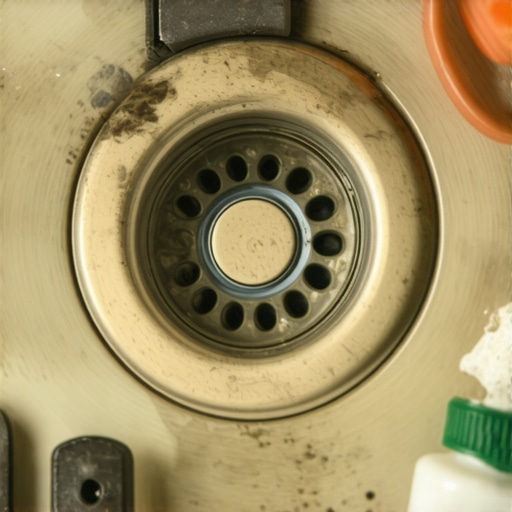
- Failing Drainage Pipes: This is the most critical issue. A crack in the main drain line under your floor allows gas – and moisture – to escape directly into your subfloor. This requires immediate drainage repairs to prevent structural rot.
Professional diagnostics involve more than just a “sniff test.” Expert plumber vancouver teams use specialized gas detectors and smoke testing to find the exact point of failure. If you are planning a renovation, identifying these leaks now is essential. If gas can escape, water can escape, and as we will explore, water is the natural enemy of your tile foundation.
Why Drainage Repairs are Essential for Tile Longevity
The relationship between your plumbing and your tile is symbiotic. Most homeowners view them as separate entities, but in reality, your tile is a rigid skin stretched over a mechanical skeleton. If that skeleton – your pipes – leaks, the skin will inevitably crack. This is why drainage repairs must be prioritized over aesthetic choices.
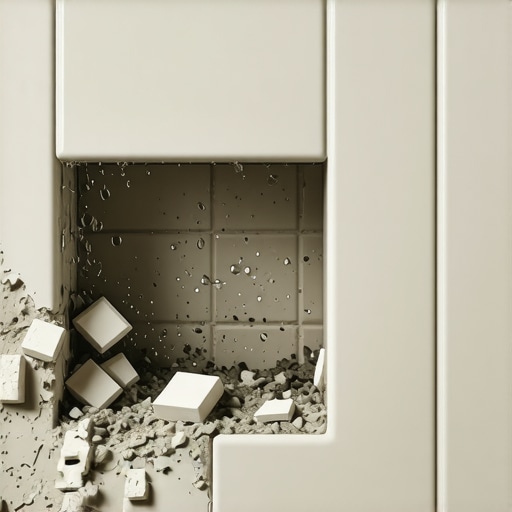
The primary mechanism of destruction is the “wicking effect.” When a water leak occurs from a hairline crack in a drain pipe, the moisture doesn’t always pool in a way that is immediately visible. Instead, it saturates the plywood subfloor or the concrete slab. Plywood, in particular, acts like a sponge. As it absorbs moisture, the wood fibers expand and soften. This expansion creates upward pressure on your tile assembly.
Because tile and grout are rigid and non-elastic, they cannot accommodate the movement of a swelling subfloor. This leads to several common failures:
- Grout Failure: If you notice [Why Your New Grout is Cracking in the Corners], it is often the first sign that the subfloor is moving due to hidden moisture.
- Bond Failure: Moisture can chemically degrade the bond between the thin-set mortar and the subfloor. This results in “hollow” sounding tiles or tiles that physically lift. You might notice [Why Your Shower Tiles Are Popping Off the Wall Near the Base] as the moisture wicks upward through the wall studs.
- Structural Dips: Over time, constant saturation can cause the subfloor to rot and sag. You can use [The ‘String Line’ Method for Finding Dips in Your Plywood Subfloor] to see if your floor has already begun to fail before you lay new tile.
Before you commit to a new floor, you must ensure the surface is perfectly prepped. This includes performing [The ‘Dime Test’ for Checking if Your Subfloor is Smooth Enough], but even a smooth floor won’t stay that way if a leaking pipe is causing the wood to warp underneath.
The High Cost of “Tile-Over” Mistakes
In my experience as an operation manager, the most heartbreaking calls we get are from homeowners who just finished a $20,000 bathroom remodel, only to find a damp spot on the ceiling below or a persistent smell of sewage. They tried to save a few hundred dollars by skipping a pre-reno plumbing inspection or ignoring a minor drainage repair.
The math simply doesn’t add up. A professional inspection from plumbers surrey bc might cost a fraction of the total budget, but the cost of remediation after the tile is down is astronomical. To fix a leaking drain pipe under a newly tiled floor, you have to:
- Demolish the new tile and grout (which usually cannot be salvaged).
- Remove the backer board or uncoupling membrane.
- Cut out the damaged subfloor.
- Perform the necessary drainage repairs.
- Replace the subfloor, membrane, and tile.
You are essentially paying for the same bathroom twice, plus the cost of demolition. This is why we always recommend that homeowners in the Lower Mainland contact a reputable plumber surrey bc to perform a camera inspection of the lines before the renovation begins. If your home is older than 30 years, the likelihood of cast iron scale or localized collapses in the drainage system is high. Don’t build a masterpiece on a crumbling foundation.
Diagnostic Tests You Can Do Before the Tile Goes Down
While nothing replaces the expertise of a licensed plumber coquitlam, there are several diagnostic tests you can perform yourself during the “gut” phase of your renovation. These tests help identify if you need professional leak detection before proceeding.
The ‘Food Coloring’ Test
This is a brilliant way to check for leaks in your shower pan or the drain housing itself. Plug the drain and fill the shower base with a few inches of water. Add a heavy dose of dark food coloring. Mark the water level and let it sit for 24 hours. If the level drops, or if you see colored water seeping into the subfloor below, you have a leak. This is the best way to use [The ‘Food Coloring’ Test for Detecting a Leaky Shower Drain Before It Ruins Your Floor].
The ‘Towel’ Test for Toilets
Before you pull the old toilet, place a dry, white towel around the base. Flush the toilet repeatedly. If the towel shows even a hint of moisture, your wax ring or the closet flange is failing. This moisture often travels down the pipe, rotting the subfloor around the hole. For more details, see [The ‘Towel’ Test for Detecting Slow Leaks Under Your Toilet].
The ‘Paper Towel’ Trick
In the tight confines of a vanity cabinet, pin-hole leaks can be nearly invisible. Wrap blue paper towels around the pipe joints. Even a single drop of water will turn the blue towel dark, making the leak obvious. This is a staple for [The ‘Paper Towel’ Trick for Finding Pin-Hole Leaks in Your Surrey Bathroom Pipes].
If any of these tests fail, it is time to call in the professionals. Whether you need a plumber burnaby or specialized plumber vancouver bc services, addressing these issues while the subfloor is exposed is significantly cheaper than waiting.
Professional Plumbing Vancouver Standards for Bathroom Renovations
When we talk about professional plumbing vancouver standards, we are talking about future-proofing. A standard renovation might just replace the fixtures, but a high-quality renovation replaces the “internals.” This includes upgrading old galvanized lines to PEX and ensuring all drain slopes are correct.
Modern codes are stricter for a reason. For example, if you are moving a shower or adding a double vanity, your existing venting may no longer be adequate. Inadequate venting leads to “siphoning,” where the water in your P-traps is sucked out, allowing sewer gas to enter the home. This is a common issue we see when homeowners hire unlicensed handymen instead of a qualified plumbing north van specialist.
Furthermore, ensure your garburator fix or installation is handled correctly. Kitchen and bathroom lines often interconnect in older Vancouver bungalows. A backup in the kitchen can lead to “grey water” pushing back into the bathroom drains if the venting and drainage slopes aren’t perfectly calibrated.
Beyond the Bathroom: Whole-Home Mechanical Health
While you are focused on the bathroom, remember that a renovation is a traumatic event for your home’s mechanical systems. The amount of silica dust generated from cutting tile and drywall is immense. This dust can easily find its way into your HVAC system, leading to premature motor failure or poor indoor air quality.
Before you start your project, consider booking air duct cleaning vancouver to clear out existing debris, and ensure your furnace filters are replaced weekly during construction. If your furnace is struggling with the added dust load, you may need a furnace repair vancouver specialist to clean the secondary heat exchanger.
Similarly, if your bathroom renovation involves adding a high-flow rain shower or a soaking tub, your existing water heater or boiler might not be up to the task. It is a good time to look for boiler repairs near me or upgrades to ensure you have the BTU capacity to enjoy your new luxury bathroom. Consulting an hvac company Vancouver during the planning phase can prevent the “cold shower” surprise once the project is finished.
Protecting Your Investment with Proactive Maintenance
The “Sewer Gas Warning” is a gift. It is your home telling you that something is wrong before the damage becomes irreversible. By listening to that warning and investing in drainage repairs early, you are ensuring that your new tile foundation remains solid for decades.
In Vancouver’s competitive real estate market, a bathroom renovation is one of the best ways to increase home value – but only if it’s done right. Buyers are increasingly savvy; they look for signs of grout cracking and water damage. A “lipstick on a pig” renovation where new tile is laid over old, leaking pipes will eventually be caught during a home inspection, potentially tanking your sale.
Whether you are in the middle of a project or just starting to dream of a new spa-like retreat, don’t ignore the pipes. From plumbers west vancouver to emergency services plumbing, the expertise is available to help you build a bathroom that is as functional as it is beautiful.
Conclusion: Don’t Build on a Swamp
In summary, the presence of sewer gas is a red flag for potential moisture intrusion. Moisture leads to subfloor expansion, which leads to tile failure. Protect your investment by performing DIY tests like [The ‘Dime Test’ for Checking if Your Subfloor is Smooth Enough] and [The ‘Food Coloring’ Test for Detecting a Leaky Shower Drain Before It Ruins Your Floor], but always back them up with professional leak detection.
If you suspect your drainage system is compromised, do not wait. Book a drain service near me today. It is far better to delay your tile installation by a week to fix a pipe than to spend the next ten years living with a cracked floor and a “rotten egg” smell. Your home, your family, and your wallet will thank you.