How to Stop Your Shower Niche from Leaking Into the Wall Cavity
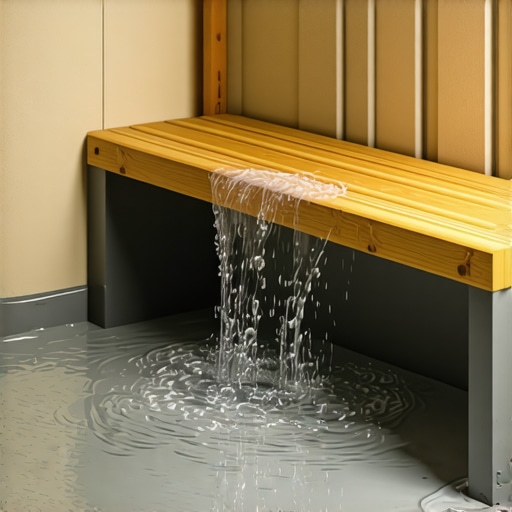
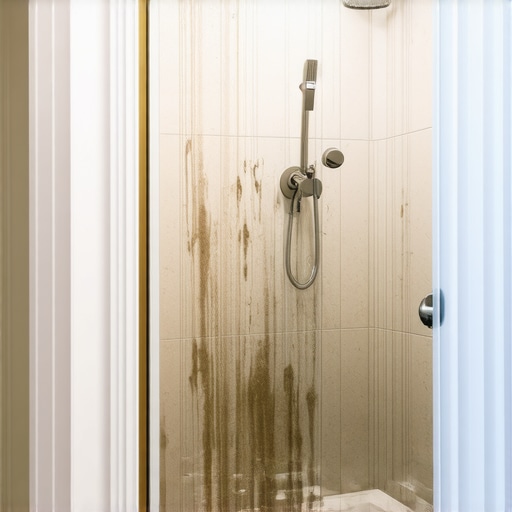
I spent three days grinding concrete on a job last month just so the floor wouldn’t click like a castanet. That same job had a shower niche that was leaking like a sieve because the installer used regular drywall screws to tack his cement board. It was a disaster. The water had traveled from the niche, down the wall cavity, and settled under the luxury vinyl planks in the hallway. By the time I arrived, the subfloor was a sponge. Most guys skip the leveling compound and the proper waterproofing details because they think the tile will hide the sins. It won’t. A shower niche is not a hole in the wall for soap. It is a structural breach in your waterproofing envelope that requires surgical precision to seal.
The myth of the waterproof tile
Tile and grout are not waterproof barriers but rather decorative filters that allow moisture to permeate via capillary action. Most homeowners and even some builders assume that a well-tiled surface is a shield. It is not. Water moves through cementitious grout lines and even through the body of certain ceramic tiles over time. If the substrate behind the tile is not an airtight and watertight membrane, that moisture will eventually hit the wooden studs or the metal framing. This leads to rot, mold, and the eventual failure of the entire wall assembly. You must treat the area behind the tile as the primary defense system, ensuring that every joint and corner is bridged with an approved waterproofing material. If you are worried about your adjacent carpet install or the laminate in the master bedroom, you must first secure the wet zone.
“A floor is only as good as the subfloor beneath it; deflection is the enemy of every joint.” – Master Flooring Axiom
Why your subfloor is lying to you
Subfloor levelness and structural rigidity determine the longevity of the tile installation and the integrity of the waterproofing seals. When we talk about floor leveling, we are not just talking about making things flat for the sake of aesthetics. We are talking about preventing the movement that snaps waterproofing bonds. If your floor has too much deflection, the walls will move. If the walls move, the corners of your shower niche will crack. A crack as thin as a human hair is enough for water to bypass the membrane. This is why I always check the L/360 or L/720 deflection ratings before I even think about thin-set. If the floor is bouncy, the shower niche is a ticking time bomb. You can have the best tile in the world, but if the house is shifting under your feet, the water will find a way out.
The 1/8 inch that ruins everything
The pitch of the bottom shelf of a shower niche must be exactly one eighth of an inch toward the shower floor to prevent standing water. Gravity is the most reliable tool in your kit. If a niche shelf is level or, heaven forbid, pitched backward toward the wall cavity, water will pool against the back corner. Over months, the constant hydrostatic pressure from that small puddle will seek out any microscopic pinhole in the waterproofing. Eventually, it will find the screw heads or the seam where the niche meets the wall board. I have seen showers fail in less than a year because someone forgot to put a slight slope on a piece of marble. The physics of water surface tension means it will sit there until it evaporates or penetrates the wall. Pitch is not optional. It is a fundamental engineering requirement for wet area longevity.
Anatomy of a failed shower niche
Common niche failures stem from improper corner flashing and the use of incompatible materials at the transition points. Many installers try to piece together scraps of cement board to create a niche. This creates four inside corners and four outside corners that all need to be perfectly sealed. If you are using a liquid-applied membrane, you need to ensure the dry mil thickness is exactly what the manufacturer specifies. If it is too thin, it will crack. If it is too thick, it might not cure properly and could remain