The Best Way to Transition Carpet to a Stone Fireplace Hearth
The physics of the carpet to stone interface
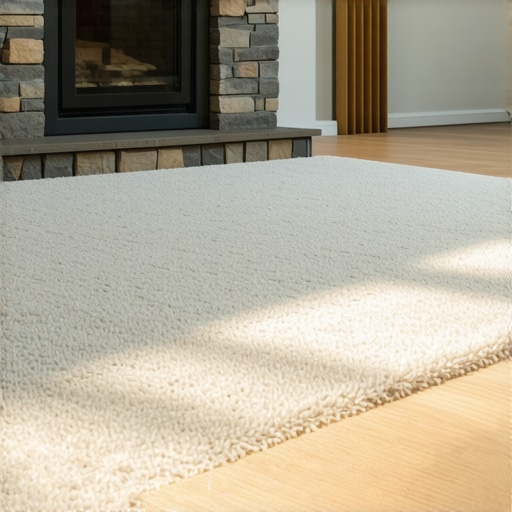
I spent three days grinding concrete on a job last month just so the floor wouldn’t click like a castanet. The client had a beautiful fieldstone hearth that looked like it was pulled straight from a mountain. It was jagged and irregular. Most installers would have just slapped some glue down and walked away but I could not do that. You have to respect the stone. You have to understand that the stone is a massive heat sink. It draws moisture and it expands at a different rate than your subfloor. If you do not account for the thermal expansion of the masonry and the tension requirements of the carpet backing you are looking at a failure within eighteen months. A floor is not a decoration. It is a structural engineering challenge. When you transition from a soft surface like a plush nylon carpet to a hard surface like granite or limestone you are managing two different worlds of friction and density.
The math of the tucking gap
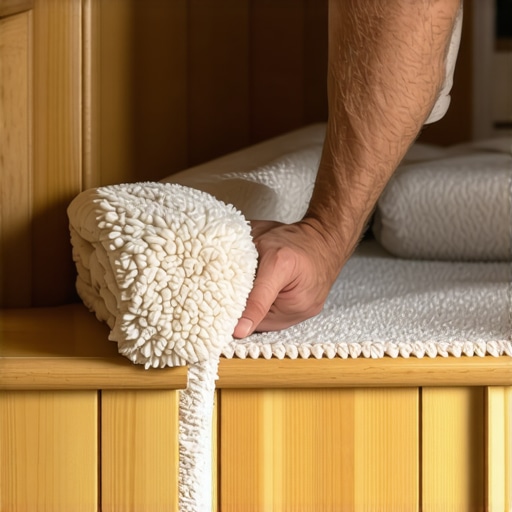
Carpet transitions to stone fireplace hearths require a precise tucking gap of exactly one eighth of an inch to accommodate the primary and secondary backing of the carpet. This gap allows the installer to use a stair tool or carpet bolster to firmly wedge the material against the masonry edge without causing unsightly bunching or delamination of the latex adhesive.
“A floor is only as good as the subfloor beneath it; deflection is the enemy of every joint.” – Master Flooring Axiom
Why your subfloor is lying to you
Subfloor levelness is the most ignored factor in carpet installation near fireplaces. Most people assume that because the carpet is thick it will hide the dips. It will not. If the plywood or OSB dips by more than three sixteenths of an inch over a ten foot span the tack strip will not sit flush. When you step on the carpet near the hearth you will feel the tack strip teeth through the face yarn. I have seen guys try to shim the strip with roofing shingles. That is a hack move. You need to use a high compressive strength leveling compound that can handle the thermal cycles of the fireplace. The Janka Hardness of your subfloor material matters here too. If you are nailing into a soft pine subfloor those nails will back out as the wood dries and shrinks from the heat of the fire. You need annular ring shank nails or screws to keep that transition locked in place.
The 1/8 inch that ruins everything
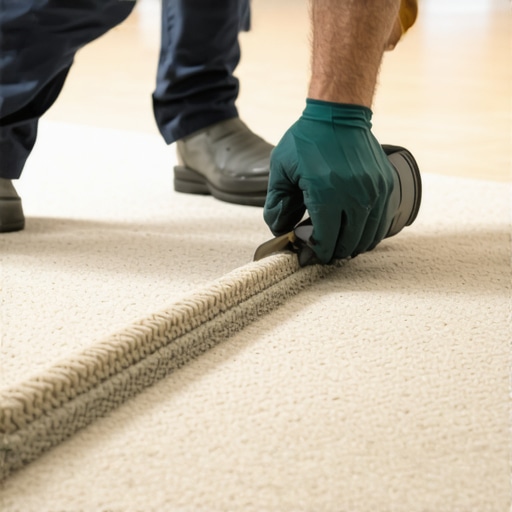
Precision cutting at the stone interface is where most carpet installs fail. If you leave too much carpet you get a hump. If you cut too short you see the tackless strip. I use a wall trimmer modified for irregular surfaces or a sharp utility knife with a fresh hook blade. You have to follow the undulations of the natural stone. No two hearths are the same. A granite slab is easy because it is straight. A fieldstone hearth is a nightmare of convex and concave curves. You have to scribe the carpet to the stone. It takes time. It takes patience. It takes a steady hand that has held a knife for twenty years. [IMAGE_PLACEHOLDER]
| Transition Method | Durability | Heat Resistance | Visual Profile |
|---|---|---|---|
| Tuck and Roll | High | Excellent | Clean Edge |
| Z-Bar Transition | Medium | Good | Mechanical Lip |
| Liquid Nail Cap | Low | Poor | Messy |
| Architectural Strip | Very High | Excellent | Low Profile |
Adhesive chemistry in high heat zones
High temperature carpet adhesives are necessary when working within thirty inches of a wood burning stove or open hearth. Standard latex adhesives used in carpet manufacturing can become brittle when exposed to constant radiant heat. This leads to gas off and fiber loss. I prefer a synthetic resin-based adhesive for the tack strip installation near stone. This ensures the chemical bond remains flexible. If you are in a high humidity area like Houston or Miami the moisture coming off the concrete slab through the stone will liquefy cheap glue. You need a moisture vapor barrier applied to the subfloor before the carpet pad goes down. I have seen expensive carpets ruined because the installer ignored the relative humidity of the crawlspace below the hearth.
“The moisture content of the subfloor must be within 2 percent of the flooring material to prevent catastrophic expansion.” – NWFA Technical Guidelines
The ghost in the expansion gap
Expansion gaps are not just for hardwood or laminate. Your carpet is under tension. When you use a power stretcher you are putting hundreds of pounds of force on those tack strips. If the stone hearth is not properly mortared to the subfloor the carpet tension can actually pull the stone loose over time. I always check the bond of the hearth stones before I even bring the carpet into the house. If that stone moves you are done. The tack strip must be set exactly three eighths of an inch away from the stone. This creates the gulley. This gulley is where the magic happens. It is where you tuck the excess carpet to create that zero-threshold look that minimalist architects love. But do not over-tuck. If you pack too much material in there you will lift the carpet off the tack strip teeth and it will ripple within a month.
Installation Checklist for Hearth Transitions
- Check stone porosity and moisture levels with a pinless meter.
- Verify subfloor deflection meets L/360 standards for the stone weight.
- Install architectural tack strips with 1-inch spacing from the hearth.
- Use a power stretcher to achieve 1 to 1.5 percent stretch in both directions.
- Scribe the carpet edge using a sharp hook blade for irregular stone.
- Tuck the carpet into the gulley using a chrome-plated stair tool.
The friction of the tackless strip
Tackless strips are a misnomer because they are full of zinc-coated nails. Near a fireplace you should use architectural strips. These are wider and have three rows of pins instead of two. This is information gain for those who think all strips are equal. The extra row of pins provides the mechanical grip needed to resist the thermal contraction of synthetic carpet fibers like polyester or triexta. While wool is more stable it is also heavier and requires more tension. If you are installing wool carpet against a limestone hearth you must be careful not to scuff the stone with the knee kicker. I always tape off the stone with blue painter’s tape to protect the finish. One slip of the tool and you are looking at a five hundred dollar repair to the masonry. People want the thickest underlayment they can find but too much cushion actually causes the locking mechanisms on laminate to snap and it causes carpet to pull off the tack strip teeth under foot traffic. Stick to a high-density 8-pound pad for the best structural integrity near stone.