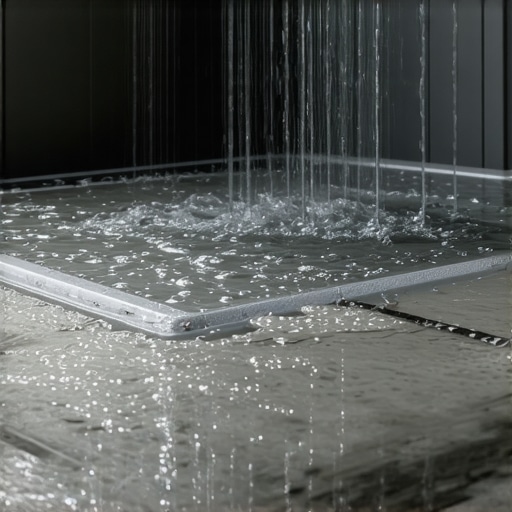
It was late one evening when I stepped into my walk-in shower, only to be greeted by a soggy surprise—standing water pooling where it shouldn’t be. That modern tile look suddenly felt more like a swamp, and I realized I was in over my head. Immediate panic set in—was my shower failing? Would I have to rip everything out?
As homeowners, we’ve all experienced that sinking feeling when the new bathroom upgrade starts to show signs of trouble. Water pooling isn’t just a minor inconvenience; it signals underlying issues that, if ignored, can lead to costly damage, mold growth, and a complete bathroom overhaul. I found myself asking, “Why is my 2026 walk-in shower storing water like a pond?”
Why Standing Water Can Turn a Bathroom Nightmare
Standing water in your shower pan might seem like a small leak or dull inconvenience, but it’s often a symptom of missteps during installation or design flaws that can jeopardize your entire bathroom’s integrity. Over time, this can cause subfloor rot, damage to adjacent walls, and even foundation issues, especially if left unaddressed. According to home improvement experts, water infiltration remains one of the leading causes of structural damage in modern renovations, emphasizing the importance of early intervention.
Early in my own renovation journey, I made the mistake of assuming that minor puddles would disappear with time—big mistake. Neglecting small issues in bathroom waterproofing can escalate quickly, turning manageable repairs into expensive nightmares. That’s why I became determined to learn how to tackle this problem head-on.
So, if you’ve noticed your shower pan isn’t draining properly or you’re dealing with staining and sloshing sounds, you’re not alone. Today, I’ll guide you through three proven fixes that, based on my experience, can help you restore your shower’s functionality and protect your home. These solutions are practical, cost-effective, and designed to keep your bathroom beautiful for years to come.
Ready to say goodbye to that pond-like shower? Let’s dive into the details of each fix, starting with a simple yet often overlooked step that might just be the key to solving your standing water problem.
Start with Proper Floor Inspection
First, remove any debris or grout residue from the shower floor and check for uneven spots. Use a level to identify high or low areas, as these can cause poor drainage. Visualize your shower pan like a tiny boat; if it’s heeled or tilted, water won’t drain properly. I once took my time testing the slope in my own shower, placing a small level across the drain to see if the water would naturally flow toward it. When I found an uneven section, I marked it for correction.
Level the Floor Correctly
If the floor isn’t level, it’s time to fix it. Applying a self-leveling compound is your best bet—think of it as pouring a fine, self-adapting mortar to even out the surface. Before applying, clean the area thoroughly and prime it to ensure adhesion. Carefully pour the self-leveler while working from one side to the other to avoid trapping air bubbles. I once experimented with this in a small corner, and watching the compound self-level was like watching a tiny tide pool form—a perfect, smooth surface after it dried. For best results, consult [expert tips on floor leveling](https://floorcraftstore.com/expert-floor-leveling-laminate-flooring-tips-for-durability) to prevent future dips or cracks.
Address Subfloor Issues
Next, examine the subfloor beneath the shower. A sagging or damaged subfloor can create dips that trap water. Use a pry bar to check for flexibility or softness. If you detect any damage, replace or reinforce these areas with suitable underlayment. For concrete slabs, consider applying a thin layer of patching compound before installing waterproof membrane. Remember, your subfloor is like the foundation of a building—if it’s compromised, your entire shower’s drainage might fail. I once had to rebuild a section of my subfloor to correct a persistent water pooling issue, which required meticulous patching and reinforcement.
Enhance Drainage Slope
Ensure the drain itself is correctly installed with a proper slope—ideally, 1/4 inch per foot toward the drain. This angle directs water smoothly into the drain opening. Double-check the existing slope with a level and adjust if needed by adding shims or applying new mortar around the drain assembly. Just like installing laminate flooring over uneven subfloor, achieving the right slope is critical—an incorrect angle will cause puddles wherever water flow is slow. I recall meticulously adjusting my drain tilt, which made a noticeable difference in how quickly water cleared.
Seal All Water Pathways
Finally, confirm that all waterproofing membranes and sealing spots are correctly applied—this prevents water from seeping into walls or subfloor. Pay special attention to corners, joints, and the drain flange. Use a high-quality sealant or waterproof tape to reinforce these areas. This step is like sealing gaps in laminate or carpet edges; if unsealed, water finds its way into unwanted spaces, causing damage. I once used a waterproofing guide to redo my shower’s sealant, which eliminated recurring water pools and protected the underlying structure. For more detailed waterproofing tactics, visit [top shower waterproofing tips](https://floorcraftstore.com/stop-shower-leaks-3-modern-waterproofing-mistakes-to-avoid).While many believe that the basics of shower and flooring installations are straightforward, seasoned professionals know there’s a labyrinth of subtle details that trip up even experienced renovators. One widespread myth is that choosing a high-quality material guarantees a perfect finish; however, neglecting proper preparation and installation nuance often leads to issues like uneven floors or water leaks. For instance, many assume that self-leveling compounds automatically create an ideal subfloor, but in reality, failure to prime and prep the surface can cause cracks or delamination, as highlighted in expert guides.
Another misconception revolves around the ‘foolproof’ nature of laminate and carpet installation. Homeowners often think that just following the manufacturer’s instructions is enough, but overlooking crucial steps like subfloor inspection, moisture barriers, and precise tensioning can result in buckles, gaps, or peaking over time. For example, improper carpet stretching can lead to wrinkle formation, which eventually damages the fibers, a mistake documented extensively in professional installation tips.
**Why do so many get it wrong?** The truth is, advanced flooring and shower setup require understanding the hidden nuances—like ensuring a proper slope for water drainage or applying the correct sealants at critical junctions; forgetting these details transforms a simple upgrade into a costly fix. A good rule of thumb is to treat each phase as a crafted art rather than a checklist, benefiting from expert insights shared in trusted resources.
To illustrate, many installers skip testing subfloor flatness after initial prep, assuming that the materials will compensate. But studies show uneven subfloors are the leading cause of floor squeaks and gaps—problems that are often preventable with simple, proactive checks. For in-depth strategies on ensuring durability and avoiding common pitfalls, check out comprehensive guides on floor leveling and waterproofing.
**What advanced mistakes should you watch out for?** A common trap is neglecting moisture testing before installation, which can lead to mold growth and structural rot—an issue many underestimate until it’s too late. Also, misjudging the necessary slope for proper drainage can cause standing water in showers, eroding the base and leading to leaks. Learn to identify these risks early on; for example, by using precise levels and drainage calculators.
Let’s face it—success in showers and flooring projects hinges on appreciating the complexities beneath the surface. Recognize that meticulous preparation, understanding of materials, and attention to details set apart a professional result from a novice mishap. For example, ensuring your subfloor is perfectly flat before sealing or leveling can save you from future headaches. Remember, being proactive with expert tips makes all the difference.
Have you ever fallen into this trap? Let me know in the comments about your experiences with overlooked nuances in home upgrades.
Maintaining your bathroom upgrades over time requires the right tools and a strategic approach. From leveling compounds to moisture meters, having the right equipment can make all the difference in ensuring your floors, showers, and other surfaces remain durable and beautiful. One essential tool I rely on is a high-quality self-leveling compound, which guarantees a flat surface for laminate and tile installations, preventing future cracks and unevenness. Expert tips emphasize that proper floor leveling is critical for long-term success.
For drainage and slope verification, I swear by a precision digital level that provides instant readings and reduces guesswork. Proper slope is vital for shower pans to prevent standing water, and a digital level streamlines the process significantly. Additionally, a moisture meter is indispensable, especially for concrete subfloors, to detect hidden dampness that can compromise your installation. Using this tool regularly helps catch issues before they become costly problems, extending the life of your work.
When it comes to sealing and waterproofing, I recommend investing in high-quality sealants and waterproof tapes. Applying these with precision ensures no water leakage occurs, protecting your subfloor and walls. Remember, even minor gaps or missed spots can cause long-term headaches. Upgrading your sealing techniques with products designed for bathroom environments helps your installation last years without issues.
In terms of software, I use project planning apps that incorporate measurement tools and checklists. These help keep track of each step—floor leveling, membrane installation, sealing, and more—ensuring nothing gets overlooked. Effective planning is crucial, especially when scaling projects or doing multiple bathrooms simultaneously.
The trend towards pre-fabricated shower kits and modular flooring systems is gaining momentum. These options often come with built-in waterproofing and standardized installation processes, reducing errors and saving time. As technology advances, I predict an increased adoption of smart moisture monitoring and AI-assisted leveling tools that can analyze surfaces in real time and adjust accordingly, minimizing human error. Embracing these innovations now will prepare you for the future of home renovation.
How do I maintain proper drainage and leveling over time?
Regular inspections are key. Periodically check the slope of your shower drain and reapply sealants where necessary. Monitoring bathroom humidity with a moisture meter can alert you to hidden leaks or dampness before they cause damage. Using a high-quality, waterproof membrane beneath your flooring and sealing all vulnerable points enhances longevity. Don’t forget to keep your tools clean and stored properly to ensure accuracy when you need them most. For detailed guidance on floor leveling, refer to top tips for durability.
Try integrating a digital level into your next project—it’s a game-changer for precise drainage slopes. Over time, consistent maintenance using these tools and strategies ensures your bathroom remains functional, attractive, and free from water-related issues. Remember, taking a proactive approach now prevents costly repairs down the line and preserves the investment in your home.
The Hardest Lesson I Learned About showers,floor leveling,carpet install,laminate
One of my biggest realizations came when I ignored a small wobble in my subfloor and it led to cracks in my laminate flooring within a year. It taught me that paying attention to the tiniest imperfections—like uneven floors or improper drain slopes—can save you headaches and money later. I also learned that sealing every vulnerable spot, especially around shower niches, prevents long-term leaks that are invisible until they cause real damage. Trust me, understanding these subtle details transforms a frustrating repair into a DIY victory.
Curated Resources to Elevate Your Renovation Game
Firstly, Expert floor leveling tips from seasoned professionals offer insights on achieving perfectly flat surfaces, critical for durable laminate and tile installations. Second, I rely on high-quality waterproof membranes from trusted brands, which you can find in my recommended toolkit, ensuring water stays where it should. The third resource is detailed guides on proper drainage slopes, essential for shower longevity—these are invaluable for avoiding future water pooling problems. Lastly, books on bathroom waterproofing provide comprehensive strategies that go beyond basic sealing, teaching you how to prevent leaks before they start.
Your Next Step Starts Now
Armed with these insights and resources, I believe you can approach your showers and flooring projects with renewed confidence. Remember, the key to a lasting upgrade lies in attention to detail and proactive maintenance. Don’t let overlooked nuances turn your home improvement into a headache—embrace the learning process and enjoy the rewarding results of a well-executed renovation. Your bathroom oasis is closer than you think—start today, and make your space truly stand the test of time.