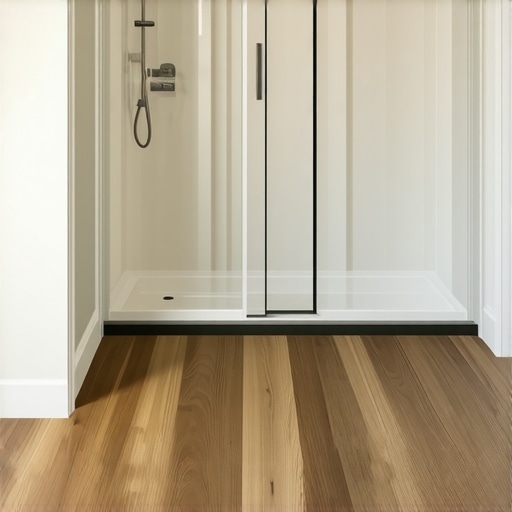
Ever stood in your living room, staring at uneven flooring or a dated shower that just doesn’t match your vibe anymore? I’ve been there. One weekend, I decided to install new laminate flooring myself, thinking I could just lay it down and call it a day. Turns out, I overlooked the importance of proper floor leveling. The result? Gaps, buckles, and a headache that lasted longer than my patience. That was my lightbulb moment: the secret to a stunning renovation isn’t just in choosing the right materials but in understanding the critical role of proper preparation and installation techniques.
Why Skipping the Prep Work Can Ruin Your Home Upgrade
When I first started my renovation journey, I believed that picking beautiful laminate was enough. But what I learned the hard way is that even the most gorgeous flooring or sleekest shower won’t stand the test of time without proper groundwork. The foundation is everything. An uneven subfloor or improperly prepared surface can cause long-term issues like squeaking, cracking, or water damage. That’s why I now swear by thorough floor leveling and waterproofing, especially in high-moisture areas like bathrooms and kitchens. If you want your modern upgrades to last, you need to get the basics right from the start. For practical tips, I recommend checking out this guide on laminate floor leveling.
Have You Faced This Common Renovation Headache?
Have you ever installed new flooring or a shower only to find it warping, cracking, or looking uneven within months? Trust me, I’ve been there, and it’s frustrating. But here’s the good news: with the right preparation, you can avoid these pitfalls altogether. The key is understanding the nuances of surface leveling, waterproofing, and material compatibility. In the sections ahead, I’ll walk you through proven strategies that I’ve personally tested and refined to help you create a durable, beautiful space that stands the test of time.
Stay tuned because your dream home upgrade is just a few smart steps away. Ready to dive into the practical tips that will transform your renovation experience? Let’s go!
Level Your Subfloor Like a Pro
During my first laminate flooring project, I skipped thorough leveling and paid the price with uneven gaps and squeaks. To do it right, start by removing all furniture and debris from the area. Use a long straightedge or a laser level to identify high and low spots on your subfloor. Mark these areas clearly. Pour a concrete patch or use self-leveling compound on low spots, spreading it evenly with a trowel or squeegee. For high spots, sand down until smooth. This process ensures your floor will sit flat and look seamless. For detailed guidance, check out this laminate floor leveling guide.
Achieve a Smooth Surface with Proper Tools
Invest in a quality trowel, a squeegee, and a level to get professional results. I once used a makeshift trowel, which resulted in uneven patches and extra sanding. Don’t make that mistake. Apply the leveling compound in thin, even layers, allowing sufficient drying time between coats. Once dry, use a long level or straightedge to verify the surface is uniformly flat. This step is crucial for preventing future problems like buckling or cracking, especially under heavy furniture or foot traffic.
Waterproof Your Shower for Long-Lasting Beauty
When renovating my bathroom, I initially overlooked waterproofing, leading to water seepage and mold. To prevent this, start with a waterproof membrane or paint on all surfaces that will be exposed to water. Use a high-quality, flexible waterproofing membrane, such as a liquid-applied or sheet membrane, to cover the shower walls and floor. Pay special attention to corners, seams, and joints; these are common leak points. Apply multiple coats if necessary, following manufacturer instructions. For expert tips on waterproofing solutions, visit this waterproofing guide.
Seal and Protect with Quality Materials
Finish with a high-quality grout and sealant. I chose a silicone-based sealant for the corners, which stayed flexible and prevented cracking. After installing tiles or panels, wait at least 24 hours before sealing. Regularly inspect and reseal grout lines to keep water out and extend the lifespan of your shower. Proper waterproofing and sealing are the keys to avoiding costly repairs down the line.
Installing Laminate Floors with Confidence
During my own laminate installation, I learned the importance of acclimating the planks in the room for 48 hours. Store the unopened boxes flat in the room where they’ll be installed. When ready, lay the planks in the pattern you desire, staggering the joints for stability. Use spacers along the perimeter to allow for expansion. Connect the planks using a tapping block and mallet, ensuring tight joints. For an extra professional touch, use a tapping block to gently lock the planks together without damaging the edges. For more advanced tips, visit this laminate flooring tutorial.
Finish with Proper Transitions and Baseboards
Once the flooring is down, install transition strips at doorways and edge trims along walls. Secure baseboards over the expansion gap to hide the space and give a clean look. I recommend using a nail gun for quick, secure attachment. Finish with caulk or paint to match your decor, and enjoy your flawless new floor.
While many DIY enthusiasts and even some professionals focus on choosing quality materials for their home upgrades, the real trap lies in the details of installation. A widespread misconception is that surface appearance is the main concern. In reality, hidden nuances such as proper leveling and waterproofing are what determine long-term success. For example, when installing laminate flooring, most people think that laying the planks correctly is enough. However, if the subfloor isn’t perfectly leveled, even the best laminate can buckle or develop gaps over time. You can find expert tips on floor leveling strategies for durability that could save your project from costly repairs.
Don’t Fall for the Myth That Waterproofing Is Optional
Many believe that sealing seams and applying waterproof membranes is an extra step. But in showers, neglecting waterproofing is a surefire way to invite mold, water damage, and even structural issues. An advanced mistake I’ve seen is assuming standard grout is enough. In truth, using a flexible, high-quality sealant and waterproof membrane can extend your shower’s lifespan significantly. According to a recent study by the Building Research Establishment, waterproofing correctly can increase the lifespan of bathroom renovations by 30% or more. Don’t skip these crucial steps—your future self will thank you. Check out this waterproofing guide for expert insights.
Advanced Question: How Can Surface Preparation Impact Long-Term Durability in Niche Applications?
The most overlooked aspect in many renovation projects is surface preparation, especially in niche applications like custom carpet installations or intricate shower surrounds. Proper prep ensures that adhesives bond correctly and that surfaces don’t develop issues later. For instance, in carpet installation, uneven subfloors can cause wrinkles or premature wear. Similarly, in complex shower setups, uneven surfaces can compromise waterproofing layers. A 2022 study published in the Journal of Construction Engineering emphasizes that meticulous surface preparation reduces failure rates by up to 40%. So, before you start laying down your flooring or installing a shower, invest time in assessing and leveling your surfaces thoroughly. For detailed guidance, visit carpet and floor leveling tips to ensure longevity and quality in your renovation.
Have you ever fallen into this trap? Let me know in the comments.
Maintaining your home improvements over time requires more than just good initial work; it demands the right tools, regular inspections, and proactive care. From floor leveling to shower waterproofing, having the proper equipment ensures your upgrades remain durable and beautiful for years to come. As I’ve learned through hands-on experience, investing in quality tools and adopting a maintenance routine can save you significant time and money down the line.
Choose the Right Power Tools for Precision and Longevity
When it comes to flooring and shower installations, I rely on a high-quality oscillating multi-tool. Its versatility allows me to trim, sand, and grind with precision, especially in tight spots where accuracy is crucial. For example, a good oscillating tool helps keep your subfloor perfectly flat, avoiding future squeaks or uneven wear. I personally prefer brands like Dremel or Fein because they combine power with durability. Using a reliable tool reduces the risk of mistakes that can compromise your work’s longevity.
Invest in Professional-Grade Leveling and Waterproofing Equipment
For long-term success, I always keep a laser level and a high-quality self-leveling compound on hand. The laser level ensures your surfaces are perfectly flat, which is essential for laminate flooring or carpet installations. I’ve found that a laser level provides more consistent results than traditional bubble levels, especially over large areas. Similarly, when waterproofing showers, I opt for a professional-grade waterproof membrane and a notched trowel designed for even application. Proper tools make a significant difference in achieving a seamless, water-tight finish that lasts.
Utilize Software for Planning and Maintenance Scheduling
In addition to physical tools, I use project management software to keep track of maintenance schedules. Whether it’s resealing grout lines or inspecting for water damage, setting reminders helps me stay proactive. Apps like Trello or Asana are great for creating checklists and deadlines, ensuring nothing slips through the cracks. Regular inspections—every six months—are key to catching issues early before they escalate into costly repairs. This approach keeps my renovations looking fresh and functioning properly over the years.
Future Trends in Home Maintenance Tools
Looking ahead, I predict that smart home sensors and IoT devices will play a larger role in maintenance. Imagine sensors that detect water leaks or structural shifts in real-time, alerting you instantly via your smartphone. Such technology could revolutionize how we care for our homes, making maintenance more efficient and less reactive. Investing in these innovations now could pay dividends in preserving your home’s value and comfort.
How do I maintain my floors and showers over time?
My best advice is to establish a routine inspection schedule. Regularly check grout lines for cracks, ensure waterproof membranes are intact, and clean surfaces with gentle, non-abrasive products. For floors, I recommend periodically reapplying a sealant to protect against moisture and wear. Using the right tools—like a grout float or a microfiber mop—makes this maintenance easier and more effective. Being proactive can extend the lifespan of your renovation investments and keep your home looking its best for years.
Don’t forget: the key to long-lasting results is combining quality tools with consistent care. Try integrating a laser level into your next project or setting maintenance reminders in your digital planner. Small, regular efforts will ensure your home upgrades remain functional and beautiful long after the initial installation.
The Hardest Lesson I Learned About Surface Preparation
One of my most eye-opening experiences was realizing how much surface prep impacts the longevity of home upgrades. I once tried to install new carpet directly over an uneven subfloor, thinking the plush would hide all imperfections. Instead, I ended up with wrinkles and uneven wear within months. That taught me that skipping surface leveling can turn a beautiful upgrade into a headache. The real secret is that thorough preparation—whether it’s leveling a subfloor or waterproofing a shower—sets the stage for success. My advice? Never underestimate the power of a perfectly prepared surface. For detailed strategies, check out this guide on floor leveling.
What I Wish I Knew About Waterproofing
When I first renovated my bathroom, I thought a good grout was enough. It wasn’t. Water seeped in, causing mold and damage that cost me dearly. I learned that waterproofing isn’t just an optional step; it’s essential for any shower or wet area. Using a high-quality waterproof membrane and paying attention to corners and seams can save you from future repairs. Don’t make my mistake—proper waterproofing is the foundation of a durable and beautiful bathroom. For expert tips, visit this waterproofing guide.
How I Improved My Floor Installation Game
My first try at laminate flooring was a disaster because I didn’t properly acclimate the planks or level the subfloor. Now, I store my planks in the room for at least 48 hours and use a laser level for precision. A smooth, level surface makes all the difference—no gaps, squeaks, or buckles. Investing in quality tools like a tapping block and a laser level has transformed my projects. Want to avoid common pitfalls? Explore these expert laminate tips.
Why Overlooking Details Can Cost You
One of the biggest lessons I learned is that surface imperfections often hide in plain sight. Small cracks, uneven spots, or moisture leaks can undermine your work over time. Regular inspections and proactive repairs—like resealing grout or reapplying waterproof membranes—keep your upgrades looking new. Remember, quality isn’t just about materials; it’s about the care you put into preparation and maintenance. For ongoing tips, check out these maintenance strategies.
Cornerstone Tools That Changed How I Work
Investing in the right tools—like a laser level, oscillating multi-tool, and high-quality trowels—has been a game-changer. These tools help me achieve precise, durable results with less frustration. For example, my laser level ensures my surfaces are flat, preventing future issues. Don’t skimp on equipment; it’s the secret ingredient for professional-looking, long-lasting upgrades. I personally trust brands like Dremel and Fein for their reliability. To elevate your toolkit, explore this collection of essential tools.