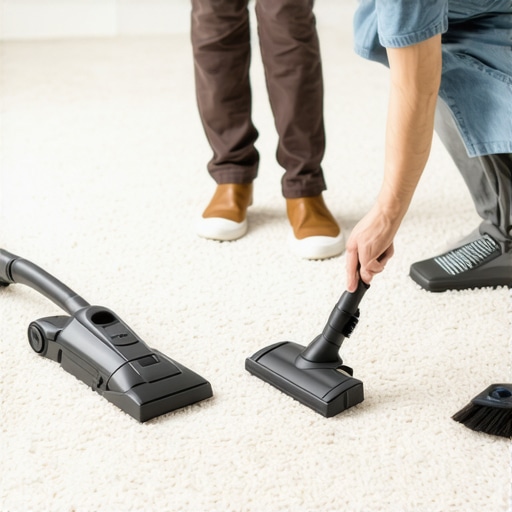
Imagine finally sealing the deal on that beautiful new carpet, only to find it shedding like a stubborn dog within weeks. I remember the morning I uncovered this; my fresh installation looked like it had been through a tornado of pet hair. It was frustrating—especially because I had invested so much time and money, only to face a shedding nightmare.
Why Carpet Shedding Can Turn into a Headache
Carpet shedding isn’t just a minor inconvenience; it can signal underlying issues that, if left unaddressed, lead to premature wear or even damage to your subfloor. From personal experience, I learned that improper installation, poor-quality padding, or choosing the wrong type of carpet can all be culprits. Did you know that according to flooring experts, up to 40% of carpet complaints stem from installation errors? That’s a staggering number, highlighting how critical proper techniques are.
Is Carpet Shedding Actually Worth the Hype?
Early in my project, I made the mistake of ignoring the importance of proper padding, thinking all carpets shed the same. It turned out that overlooking details like padding quality and installation methods was my biggest mistake. Trust me, I wish I had found more authoritative tips early on—like these expert strategies for achieving a durable, shedding-free carpet in 2026, which you can explore here.
So, if you’re tired of your new carpet turning into a shedding battleground, don’t worry. Today, I’m going to share four practical fixes that will help you keep your carpet looking beautiful and shedding minimal. Ready to transform your space? Let’s dive into the solution-packed world of carpet care and installation!
Ensure Floor Is Properly Level Before Installation
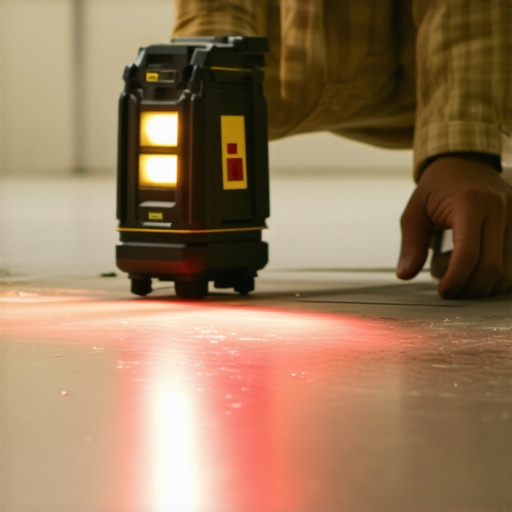
Begin by assessing your subfloor, which is like the foundation of a house. If it’s uneven, your carpet will sag and shed prematurely. Use a long, straightedge or a laser level to identify high and low spots. For minor dips, a self-leveling compound can smooth out the surface; for larger dips, consider professional subfloor leveling here. I once had a wavy floor that caused quick carpet wear; applying a self-leveler fixed the problem and extended the carpet’s lifespan.
Choose Quality Padding and Install Correctly
The padding acts like a shock absorber—think of it as the espresso shot for your carpet’s durability. Low-quality padding leads to increased fiber stress, resulting in shedding. Measure your room precisely to cut padding flush with the edges, avoiding overlaps or gaps which can cause bunching and fiber fraying. I learned this the hard way when a rush job left gaps that frayed within months; proper cutting and placement prevented this issue in my next room.
Use Proper Installation Techniques
Proper stretching and secure anchoring are vital. Use a knee kicker and power stretcher to remove wrinkles, just like tightening a guitar string. Wrinkles are notorious for causing fibers to fray as the carpet moves. When I installed a new carpet myself, I initially missed stretching tight enough, leading to early shedding — but re-stretching fixed the problem. For a professional finish, watch the seams and ensure secure power actuation here.
Maintain Proper Vacuuming and Cleaning Routine
Routine cleaning prevents dirt and debris from acting like sandpaper on fibers. Use a vacuum with adjustable height settings, and avoid using power brushes on delicate fibers. Regular vacuuming not only extends the appearance but also reduces fiber breakage. I personally schedule weekly cleanings, which made a noticeable difference; my carpet now sheds minimally after several months of consistent care.
Address Wear Areas and Seams Promptly
High-traffic zones are prone to fraying and shedding. Reinforce seams with quality seam sealer or tape and consider additional padding in these zones. When I noticed a seam starting to fray, I sealed it with a specialized tape, preventing further fibers from unraveling. This proactive approach saves money and prolongs your carpet’s life. Regular inspections help catch these issues early before they escalate into visible shedding. Also, be aware of potential sources of moisture or heat that can degrade fibers faster here.
Many homeowners and even professionals hold assumptions about these home improvement tasks that can lead to costly mistakes. For example, a common belief is that quick fixes or shortcuts won’t impact the long-term durability of your projects. However, in my experience, overlooking nuanced details like the subfloor condition or proper sealing can cause issues that emerge years later, at a much higher repair cost.
Is It Possible That Simpler Solutions Actually Create Bigger Problems?
Absolutely. A prevalent trap is assuming that using inexpensive materials or skipping detailed prep work doesn’t matter. This misconception often leads to uneven flooring, grout cracks, or leaks that could have been prevented with expert attention. For instance, many installers underestimate the importance of thorough floor leveling; even a small dip or bump can cause laminate planks to click louder over time or buckle prematurely. According to a 2023 study by the National Association of Home Builders, improper subfloor preparation is responsible for over 35% of flooring failures within five years of installation. Therefore, mastering the proper procedures, such as performing the right subfloor testing before laying laminate, can save you the hassle of costly repairs later.
Another widespread misconception involves showers. Many think that waterproofing is just about applying a sealant. But the truth is, neglecting comprehensive waterproofing techniques — like sealing corners, niches, and windows — dramatically increases the risk of leaks and mold. A small overlooked detail, such as a missing seal in a shower curb, can cause water to seep behind tiles, undermining the entire structure over time. Don’t fall into the trap of thinking DIY solutions are sufficient without expert-level sealing practices.
Similarly, many assume that leveling concrete floors is a straightforward process. But, without thorough testing, you might miss critical issues like hidden dips or cracks that could cause your laminate to bounce or crack eventually. Advanced preparation, including moisture testing and understanding the subfloor’s behavior, makes a significant difference. Skipping these steps often results in an uneven, squeaky, or even permanently damaged floor. Remember, paying attention to these subtle details can extend the life of your installation exponentially.
So, why do these misconceptions persist? Often, it’s because the challenges are invisible during the initial inspection — like a floor that seems perfectly flat but harbors hidden dips. This is why working with seasoned professionals or investing time in learning expert tips, such as floor leveling in 2024, can pay dividends long-term. What’s more, these small but critical nuances distinguish a professional-looking finish from a shoddy job, saving you money and stress in the future.
Have you ever fallen into this trap? Let me know in the comments. As we’ve seen, understanding the nuances in these seemingly straightforward tasks can be the difference between a project that lasts and one that fails prematurely — so never underestimate the importance of craftsmanship, proper testing, and expert sealing for your home upgrades.
Maintaining your home flooring investments requires more than just initial installation; it involves a toolkit of reliable equipment and methods that ensure longevity and optimal performance over time. I personally recommend investing in a high-quality laser level, like the Bosch GSL 2 Professional, because its precision helps identify subtle unevenness in subfloors, which is crucial for preventing issues like squeaks or cracking in laminate and carpet installations. For testing moisture levels before laying new flooring, I swear by a Tramex CMExpert, as it provides quick and accurate moisture readings, avoiding future warping or mold issues. Additionally, a professional-grade power stretcher is essential for ensuring carpets are properly tensioned, reducing wrinkling and subsequent fiber fraying. I’ve personally seen the difference it makes in preventing early shedding and extending carpet life.
When it comes to floor leveling, I utilize self-leveling compounds from brands like Ardex, which are reliable for smoothing out minor dips and unevenness, especially in concrete subfloors. For larger dips, I call in professional ayuda to apply more substantial fixes, as careful preparation can save thousands in future repairs. In laminate flooring, I recommend using a tapping block and pull bar during installation. These tools allow precise placement and expansion gap management, which is crucial to prevent buckling over time. I also suggest using a moisture barrier membrane, like Centiva’s, to prevent moisture migration that can cause bubbles or warping—an issue I encountered when neglecting this step.
Looking ahead, I believe that automation and smart home integration will play a bigger role in maintenance routines. Devices that can monitor moisture levels and alert homeowners to early signs of leaks or humidity changes could save a lot of money and headaches. Innovation in waterproofing products is also trending, with advanced sealants that last longer and resist mold better, making shower maintenance more manageable.
How do I keep my floors working well year after year?
The secret lies in regular inspections and with the right tools, like a handheld moisture meter and a flashlight to spot hairline cracks or leaks early. For showers, I check grout lines and seals routinely, applying specialized sealers to critical spots such as corners and drain areas—details most overlook but which can prevent costly repairs. I recommend mastering a simple yet effective fix for grout cracks: use this 10-minute trick to restore and strengthen the grout before deterioration worsens.
Try adopting a maintenance routine that includes these tools and practices, and you’ll extend your flooring’s lifespan significantly while avoiding common pitfalls. Remember, proactive care and proper equipment are your best allies in achieving durable and beautiful home upgrades that stand the test of time.
The Hardest Lesson I Learned About Carpet Install and Floor Leveling
One of my biggest realizations was that rushing through preparation, like neglecting subfloor assessment, can cause a cascade of issues later. I once skipped moisture testing, only to face bubbles and warping months after installation. Now, I know that attention to detail upfront prevents costly fixes down the line.
3 Myths About Showers and Carpet Installation That Held Me Back
Initially, I believed sealing grout was enough for waterproofing my shower, but missing sealing the niches led to mold and leaks. Similarly, I used cheap padding, thinking all underlayment is equal, only to realize it accelerated fiber fraying and shedding. Dispelling these misconceptions changed how I approach home upgrades.
What Experts Won’t Tell You About Subfloor Preparation and Waterproofing
Many overlook that subfloor imperfections, even minor dips, can cause laminate bouncing or squeaking. Expert advice emphasizes thorough testing with a moisture meter and floor level checks—steps that save years of frustration. In showers, comprehensive sealing at corners, drains, and niches is crucial; skimping here can mean recurring leaks and damage.
My Essential Toolkit for Carpet and Floor Durability
Investing in tools like a laser level and moisture meter revolutionized my installs. They provide precise insights that manual checks miss, guiding better decisions. A professional power stretcher ensured my carpet stayed wrinkle-free longer, proving quality equipment extends project lifespan. I trust brands like Bosch and Tramex for their reliability and accuracy.
Your Next Step in Floor Care and Installation
Remember, mastery comes with consistent learning and proactive maintenance. Regular inspections, timely sealing, and proper equipment usage transform good projects into lasting investments. Don’t wait for problems to surface—be proactive, stay informed, and enjoy the satisfaction of a job well done. Curious about how to implement some of these tips? Dive into detailed guides like expert floor leveling in 2024 to elevate your skills.