The ‘Wet Vacuum’ Secret for Fixing Water-Damaged Laminate Edges
The myth of the waterproof click lock
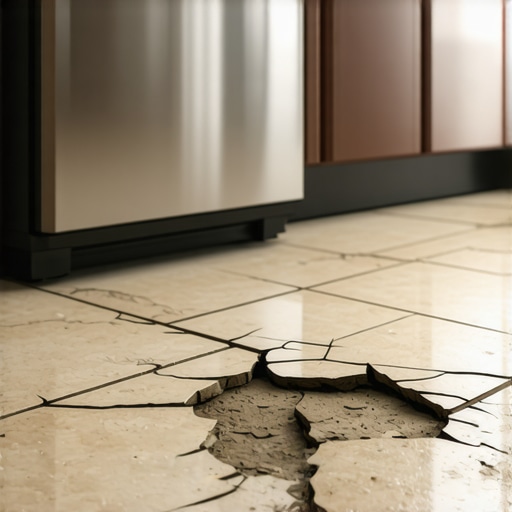
Laminate flooring is a multi-layered synthetic product fused together with a lamination process that simulates wood or stone with a photographic applique layer under a clear protective layer. While many modern products claim to be waterproof, this usually only applies to the surface wear layer and not the high-density fiberboard (HDF) core which remains highly susceptible to moisture ingress. When water sits on the seams for too long, it bypasses the surface and begins the process of capillary action within the wood fibers. This causes the edges to swell, a phenomenon installers call peaking. I once walked into a house where a $15,000 wide-plank walnut floor was cupping so bad it looked like a potato chip because the installer did not check the crawlspace humidity or use a proper moisture barrier. It was a heartbreaker that could have been avoided with a simple moisture meter. Most people think they can just wipe up a spill and be fine, but if that water hit the tongue and groove joint, the clock is ticking. You are not just fighting a puddle, you are fighting physics. The HDF core is essentially compressed sawdust and resin. Once the water breaks the surface tension, the fibers expand and they do not always shrink back to their original size. This is why immediate extraction is the only way to save the floor without a full tear-out. [image_placeholder_1]
The physics of fiberboard capillary action
Capillary action refers to the ability of a liquid to flow in narrow spaces without the assistance of, or even in opposition to, external forces like gravity. In the world of laminate, the tiny gaps between the click-lock planks act as these narrow channels, pulling water down into the fiberboard core through the seams. This process is driven by the surface tension of the water and the adhesive forces between the water and the wood fibers. Once the water reaches the core, the cellulose fibers absorb the liquid and expand rapidly. This expansion creates internal pressure within the plank, leading to the dreaded raised edges or buckling. Most guys skip the floor leveling compound. They think the underlayment will hide the dip. It won’t. I spent three days grinding concrete on a job last month just so the floor wouldn’t click like a castanet. If your floor is not level, those seams are under constant stress, opening them up just enough for water to slide right in. Unlike carpet install projects where the padding can sometimes be dried with air movers, the laminate core traps moisture. The density of the HDF means that air cannot circulate through it. If you do not pull that water out mechanically, it stays there until the fungus starts to grow or the glue bond fails entirely.
“A floor is only as good as the subfloor beneath it; deflection is the enemy of every joint.” – Master Flooring Axiom
The wet vacuum rescue mission
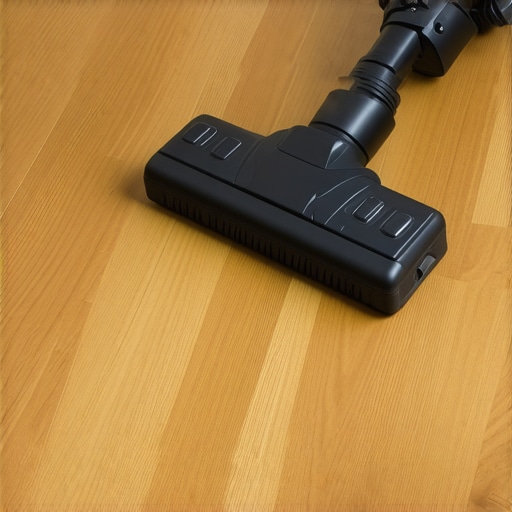
Wet vacuum extraction is a technique used to remove moisture from the internal locking mechanisms of laminate flooring before the HDF core reaches its fiber saturation point. By creating a localized pressure vacuum over the affected seams, you can pull liquid water out of the tight tolerances of the tongue and groove before it is fully absorbed. This is the only legitimate 48-hour window you have to prevent permanent swelling. You need a vacuum with at least 5.0 peak horsepower to create enough suction. You also need to seal the edges of the vacuum nozzle against the floor to ensure the air is being pulled from between the planks rather than from the room at large. I have used this trick on dozens of jobs where a dishwasher leaked or a dog knocked over a massive water bowl. The key is to act before the peaking becomes visible to the naked eye. If you can feel the ridge with your fingernail, the damage has started. But if you get the vacuum on it within the hour, you can often save the boards. This is especially true near showers or bathrooms where laminate is often installed against the advice of most veterans. You must be careful not to use too much heat alongside the vacuum, as localized heat can cause the wear layer to delaminate from the core, creating a bubble that is even harder to fix than a swollen edge.
Why your subfloor is a moisture sponge
Subfloor moisture levels are the single most important factor in the longevity of any floating floor installation, as the subfloor acts as a thermal and moisture reservoir. Concrete slabs in particular are porous and can hold gallons of water that migrate upward via vapor emission, especially in high-humidity regions like the Gulf Coast. If you do not have a 6-mil poly film or a high-quality underlayment with a built-in vapor barrier, your laminate is doomed from the start. I have seen floors in Houston turn into a wavy mess within three months because the installer forgot the barrier. The humidity in the air is one thing, but the moisture coming up from the ground is a constant pressure. When we talk about floor leveling, we are also talking about eliminating pockets where moisture can pool. A dip in the subfloor allows water to collect under the planks, where it sits and rots the core from the bottom up. This is why I always check the slab with a calcium chloride test or a digital moisture meter before I even take the planks out of the box. You want to see less than 3 pounds of vapor emission per 1,000 square feet over 24 hours. Anything higher than that and you are just waiting for a disaster.
| Material Type | Core Material | Moisture Resistance | Acclimation Time |
|---|---|---|---|
| Standard Laminate | HDF / MDF | Low | 48-72 Hours |
| Waterproof Laminate | Treated HDF | Medium | 48 Hours |
| Engineered Wood | Plywood/HDF | Medium | 72+ Hours |
| LVP (Vinyl) | SPC / WPC | High | 0-24 Hours |
The 1/8 inch that ruins everything
Expansion gaps are the 1/8 to 1/4 inch spaces left around the perimeter of a room to allow the flooring material to expand and contract with changes in temperature and humidity. For laminate, which is essentially wood, these gaps are not optional; they are the difference between a floor that stays flat and one that peaks at the seams like a mountain range. If you lock the floor against the walls or under a heavy kitchen island, the force of expansion has nowhere to go but up. This puts immense pressure on the tongue and groove joints, making them even more vulnerable to water damage. A stressed joint is an open joint. When you add water to a floor that is already tight against the baseboards, the swelling is catastrophic. Homeowners always ask why their waterproof vinyl is buckling. Usually, it is because they locked it under a heavy kitchen island, killing the floor’s ability to breathe. The same applies to laminate. You need that gap. I have had to go back to jobs and pull up the baseboards just to trim 1/4 inch off the edge of the floor because the house settled and the floor started to pop. It is a tedious job, but it saves the floor every time.
- Ensure the shop vac has a narrow crevice tool for maximum PSI.
- Use painters tape to seal the vacuum nozzle to the floor for a better seal.
- Run the vacuum for at least 60 seconds per linear foot of the damaged seam.
- Follow up with a dehumidifier set to 35 percent in the room.
- Apply heavy weights to the edges after vacuuming to help the fibers dry flat.
Adhesive chemistry and the failed joint
Phenolic resins and urea-formaldehyde glues are the primary bonding agents used in the construction of laminate cores, and their stability is compromised when exposed to prolonged moisture. Once water penetrates the core, it begins to break down the chemical bonds of these resins, leading to a loss of structural integrity. This is known as delamination. Even if you manage to dry the floor out, the bond may never be the same, leading to a soft or bouncy feel underfoot. This is why floor leveling is so essential; a flat floor ensures that the weight of foot traffic is distributed evenly across these chemical bonds. If the floor is flexing over a dip, the glue is already under stress. Add water to that stress, and the joint fails. In comparison to carpet install techniques where the primary concern is the stretch and the tack strip, laminate is an engineering puzzle. You are dealing with expansion coefficients and chemical stability. If you live in an area with high seasonal shifts, you will see those joints open and close every year. Each time they open, they are a target for moisture. The wet vacuum trick is your best defense against the inevitable spill, but a proper installation is the only way to ensure the floor lasts twenty years instead of two. The final word on floor preservation is simple. Keep it dry, keep it level, and never trust a marketing label that says waterproof without reading the fine print.