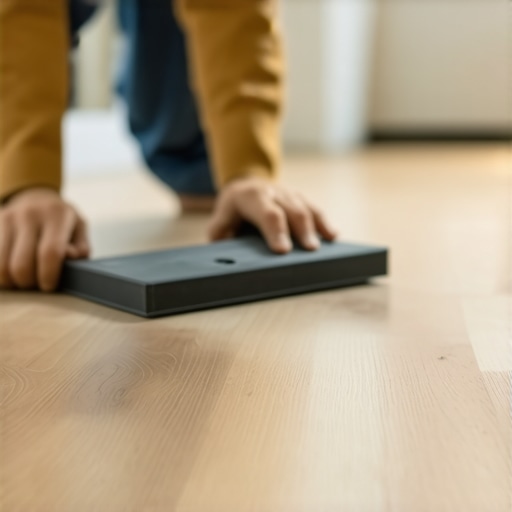
Have you ever laid down new laminate flooring only to find it warped, uneven, or squeaky after just a few months? I remember the moment I realized my DIY project was a flop—despite following what I thought were expert instructions. The floor looked gorgeous initially, but cracks appeared, and it felt unstable underfoot. That lightbulb moment made me realize that the secret to a lasting upgrade isn’t just choosing the right materials; it’s all about proper preparation, especially floor leveling.
Why Proper Floor Leveling Matters More Than You Think
In my early days of home improvement, I underestimated the importance of a perfectly level subfloor. I thought, “How hard can it be?” Turns out, quite hard. Uneven surfaces cause laminate to buckle, wear unevenly, and even create safety hazards. According to industry experts, a level subfloor is the foundation of any durable flooring installation. Without it, even the most premium laminate can fail prematurely. This is why I now prioritize floor leveling as a crucial first step. If you want your home upgrade to stand the test of time, mastering this skill is non-negotiable.
Question: Is Floor Leveling Actually Worth the Hype?
Honestly, I once skipped this step, thinking it was just an extra hassle. The result? An uneven, noisy floor that I spent more time fixing later than I would have spent doing it right the first time. Early on, I made the mistake of assuming that my uneven subfloor was “close enough,” which led to costly repairs down the line. The good news is, with the right tools and techniques, floor leveling is easier than you think—and it’s definitely worth the effort. For expert advice, check out this detailed guide on effective leveling strategies for 2024.
So, if you’re planning a laminate flooring project, don’t overlook the importance of a smooth, level surface. Ready to dive into the practical steps? Let’s explore how to achieve perfect floor leveling and ensure your upgrade lasts for years to come.
Prepare Your Tools and Materials
Before diving into the leveling process, gather all necessary tools: a self-leveling compound, a trowel, a sponge, a measuring tape, a level, and safety gear. Having everything ready saves time and prevents interruptions mid-project.
Assess and Clean the Subfloor
Start by thoroughly inspecting your existing subfloor for debris, dust, or loose material. Use a broom or vacuum to remove everything, ensuring a clean surface. This step is crucial because any dirt or debris can compromise the adhesion of leveling compounds.
Identify High and Low Spots
Use a long straightedge or chalk line combined with a level to detect uneven areas. For example, I once used a 6-foot level across my living room floor and marked the high and low spots with chalk. This simple step revealed that certain areas were more than 1/4 inch out of level, requiring attention.
Apply Self-Leveling Compound
Mix Correctly
Follow the manufacturer’s instructions precisely when mixing the self-leveling compound. I once misread the water ratio, resulting in a runny mixture that pooled unevenly. Proper mixing is key to achieving a smooth, self-leveling surface.
Pour and Spread
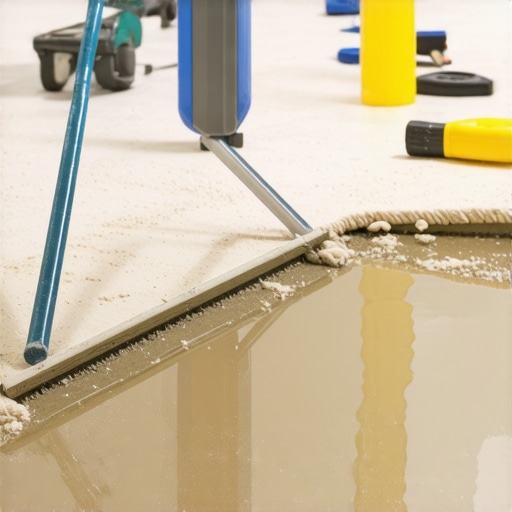
Pour the mixture starting at the lowest points, allowing gravity to do the work. Use a trowel or a spiked roller to help spread and eliminate air bubbles. Think of it like pouring pancake batter—start at the low spots and gently guide the compound outward.
Let It Cure
Allow the compound to set undisturbed for the recommended curing time, usually around 24 hours. During this period, avoid stepping on the surface to prevent cracks or unevenness. I learned this the hard way when I walked on it prematurely, leaving marks that required reapplication.
Sand and Smooth the Surface
Once cured, lightly sand any high spots or rough patches with a fine-grit sandpaper. This ensures a perfectly smooth surface, ready for laminate installation. I once skipped this step and ended up with a squeaky, uneven floor that made my installation difficult.
Final Inspection
Use your level and straightedge again to confirm the surface is truly flat. Check multiple spots across the room—if any discrepancies remain, apply a thin additional layer of compound and repeat the curing process. This meticulous approach saved me from future issues like buckling or squeaks.
By following these concrete steps, you ensure your subfloor provides a stable foundation for your laminate flooring, significantly increasing its durability and lifespan.
While many DIY enthusiasts believe that a basic understanding of tools and straightforward steps suffice for effective floor leveling, the reality is far more nuanced. One common misconception is that surface-level corrections—like simply filling low spots—are enough to ensure a durable, even floor. However, this overlooks critical factors such as substrate stability, moisture levels, and the potential for future settling. For example, an improperly prepared subfloor can lead to cracks and squeaks even after initial leveling, which is why experts emphasize comprehensive assessment and multi-layer corrections when necessary. In my experience, addressing only the visible surface flaws without considering underlying structural issues often results in costly repairs down the line.
Another widespread myth is that self-leveling compounds are foolproof and can fix all unevenness with minimal effort. Contrary to this belief, improper mixing, application, or curing can create new problems—like air bubbles, pooling, or inadequate adhesion—that compromise the entire project.
Let’s dig deeper into a common advanced question:
Why does my self-leveling compound crack or fail even after proper application?
This issue often stems from substrate incompatibility or moisture imbalance. Studies show that if the subfloor has excessive moisture, it can cause the compound to cure improperly, leading to cracks or failures. Experts recommend moisture testing and ensuring the subfloor is fully dry before application, as well as using compatible primers and sealers to enhance adhesion. For those interested in mastering these nuances, I recommend consulting detailed guides like this resource on advanced leveling strategies.
Finally, many overlook the importance of final inspection and minor touch-ups after the initial leveling process. Even tiny deviations can lead to squeaks or unevenness over time. I always advise rechecking with a long straightedge and level, then applying a thin second layer if necessary—this step can save you from future headaches and ensure your flooring’s longevity.
Remember, successful floor leveling isn’t just about following steps but understanding the intricacies involved. Have you ever fallen into this trap? Let me know in the comments.
Maintaining a perfectly level floor over time requires more than just initial setup; it demands the right tools and a proactive approach to upkeep. Personally, I rely on a few specialized instruments that make ongoing maintenance straightforward and effective. One such tool is a high-precision digital moisture meter, which I use regularly to monitor the subfloor’s moisture levels. This helps prevent issues like cracking or warping caused by hidden moisture buildup, especially in areas prone to humidity fluctuations. According to industry standards outlined in this expert guide, consistent moisture checks are crucial for long-term stability.
Another essential tool I recommend is a durable straightedge or laser level. Unlike traditional bubble levels, laser levels project a perfectly straight line across large surfaces, allowing me to quickly identify any subtle dips or high spots that may develop over time. Regular inspections with these tools help catch minor imperfections before they escalate, ensuring the subfloor remains flat and stable. For long-term results, I also keep a supply of self-leveling compound on hand, which can be used to address minor settling issues without the need for major renovations. Remember, early intervention is key to preserving your flooring’s integrity.
In terms of routine maintenance, I suggest scheduling semi-annual inspections, especially after seasonal changes. During these checks, use your moisture meter and laser level to verify the subfloor’s condition. If you notice any irregularities, applying a thin layer of self-leveling compound following the manufacturer’s instructions can save you from costly repairs later. Additionally, keeping the area well-ventilated and controlling indoor humidity can significantly extend the lifespan of your flooring and prevent moisture-related problems. These simple, proactive steps ensure your investment in quality flooring continues to pay off for years.
Question: How do I maintain my floor leveling over time?
To keep your floor perfectly level, I recommend establishing a regular maintenance routine that includes moisture monitoring, visual inspections, and prompt repairs. Invest in a reliable moisture meter, such as the Tramex M-60, which provides quick and accurate readings. Pair this with a laser level, like the Bosch GLL 3-80, capable of projecting long-range straight lines. Together, these tools enable you to spot and correct issues early, preventing major structural problems. Additionally, maintaining consistent humidity levels in your home—ideally between 35-55%—can help reduce the risk of subfloor movement and damage. Remember, a little preventative care goes a long way in ensuring your flooring remains smooth and durable for the long haul.
Looking ahead, I believe the trend in floor maintenance will increasingly incorporate smart technology. Devices connected via Wi-Fi will allow homeowners to monitor moisture and structural integrity remotely, alerting them to potential issues before they become visible. This evolution will make long-term upkeep more accessible and less labor-intensive, ensuring your beautiful, level floors stay that way for decades. For now, though, mastering the basics—like using a quality moisture meter and laser level—remains the best way to keep your floors in top condition. Why not try calibrating your moisture meter today and see how your subfloor’s health is holding up? It’s a small step that can save you a lot of trouble down the line.
The Hardest Lesson I Learned About Floor Leveling and Its Hidden Depths
One of the most eye-opening lessons I encountered was realizing that surface corrections aren’t enough. I once thought filling low spots was all I needed, but I overlooked the importance of substrate stability and moisture control. That mistake taught me that a truly level floor requires a comprehensive assessment—it’s about understanding the ground beneath, not just the visible surface.
3 Myths About Floor Leveling That Held Me Back
A common myth I believed was that self-leveling compounds are foolproof. It’s tempting to think that pouring and curing will automatically give perfect results, but improper mixing or moisture issues can cause cracks or failure. The second myth was that minor dips don’t matter—yet, even small imperfections can lead to squeaks and uneven wear over time. Lastly, I used to think once the surface was leveled, my job was done. But ongoing maintenance and regular inspections are crucial to keep the floor durable and flat for years.
What Experts Won’t Tell You About Achieving Flawless Floor Leveling
Experts emphasize that proper preparation is vital. This includes moisture testing, ensuring proper substrate adhesion, and thorough cleaning before applying leveling compounds. It’s not just about fixing the surface but about addressing the root causes of unevenness—hidden moisture, substrate shifts, and structural issues—before proceeding. My lightbulb moment was discovering how critical it is to recheck the surface after curing and to perform minor touch-ups to prevent future problems. For in-depth insights, I recommend exploring this guide on advanced leveling techniques.