Why Your Shower Curb Is Soaking Wet Hours After a Shower
I spent three days grinding concrete on a job last month just so the floor wouldn’t click like a castanet. I have seen every way a floor can fail, but nothing smells quite like the rot of a poorly built shower curb. You walk into a bathroom and the tile looks expensive, maybe a nice Carrara marble or a high-end porcelain, but you notice a dark dampness on the curb. It is hours after the last person showered. The floor is dry, but that curb is weeping. I can smell the damp plywood and the stagnant water from three feet away. It is the smell of a contractor who skipped the pre-slope or a homeowner who thought a YouTube video was a substitute for twenty years of mortar work. Most guys skip the leveling compound and they think the underlayment will hide the dip. In a bathroom, those dips and shortcuts turn into a structural nightmare that can rot out your floor joists. When we talk about showers, we are talking about managed water. If the water is sitting on your curb, it is because your system is failing to manage it.
The moisture trap beneath your feet
Shower curb moisture stays present for hours because of poor drainage physics and capillary action within the mortar bed. When a shower is built without a pre-slope, water pools on the waterproofing liner under the tile. This creates a saturated environment where the cementitious materials act like a sponge, pulling water upward through the grout joints and into the curb assembly. This is not just an aesthetic issue, it is a sign of hydrostatic pressure building up inside the wall and floor transition. If your shower was built correctly, the water should move toward the drain through gravitational force, not sit in the mortar bed until it evaporates through the surface of your tile.
“A floor is only as good as the subfloor beneath it; deflection is the enemy of every joint.” – Master Flooring Axiom
The physics of a shower curb are more complex than most people realize. A curb is essentially a dam. It is designed to keep water inside the wet area, but if the dam itself is porous, it becomes a reservoir. In my 25 years of experience, I have seen curbs built out of stacked 2x4s that were never properly wrapped in a membrane. Wood is organic. It moves. It swells when it gets wet and shrinks when it dries. This constant movement cracks the grout lines. Once those grout lines crack, the water has a direct highway into the heart of the wood. You might think your tile is waterproof, but tile is just the skin. The grout is the pore. If you do not seal the pores or manage the water that gets behind the skin, the skeleton of your shower will fail. I have seen $20,000 bathrooms where the subfloor had to be ripped out because a $50 liner was installed flat on the subfloor instead of on a sloped bed of mortar.
Why the capillary effect kills your curb
Capillary action in a shower occurs when water travels through microscopic voids in unsealed grout and thin-set. This surface tension allows water to move against gravity, climbing up the vertical face of the shower curb. Without a topical waterproofing membrane like liquid-applied rubber or bonded sheet membranes, the entire curb core becomes a moisture sink that takes days to dry. This is especially common in traditional mud bed installations where the sand-and-cement mix is designed to be permeable. If that moisture has nowhere to go because the weep holes in the drain flange are clogged, it has to come out somewhere. Usually, that somewhere is the curb.
The chemistry of your thin-set matters here too. Modified thin-set contains polymers that help with flexibility and bond strength, but even these are not a substitute for a true waterproofing barrier. I see guys all the time who think that using a waterproof grout means they can ignore the membrane. That is a lie. Grout is a filter. It filters out the big stuff but lets the moisture through. When that moisture hits the curb, it hits a dead end. If the curb was framed with wood, that wood is now drinking. I have pulled apart curbs where the 2x4s had turned into something resembling wet cardboard. The structural integrity of the entire bathroom depends on that curb staying dry. If you are noticing dampness, the water is already inside the structure.
| Material Type | Moisture Retention Level | Risk of Structural Failure | Required Sealing Frequency |
|---|---|---|---|
| Natural Stone Tile | High | High | Every 6 Months |
| Porcelain Tile | Low | Low | Annually (Grout Only) |
| Cementitious Grout | Very High | Moderate | Every 12 Months |
| Epoxy Grout | Negligible | Low | Never |
| Stacked Wood Curb | Critical | Highest | Not Recommended |
The hidden physics of standing water
Standing water on a shower curb is often caused by a negative slope on the top of the curb itself. Every horizontal surface in a shower must be pitched toward the drain at a rate of 1/4 inch per foot to ensure gravity-fed drainage. If the curb is level or pitched away from the shower, water will sit on the surface tension of the tile or migrate into the wall cavity. This leads to efflorescence, which is that white crusty powder you see on grout lines, caused by dissolved minerals being carried to the surface as water evaporates. If you see white powder on your curb, you have a saturated sub-layer.
I have spent countless hours with a level in my hand, checking the work of other contractors. It is amazing how many people forget that water does not move on its own. It needs a path. If you do not give it a path, it will find its own, and usually, that path involves your floor leveling compound and your subfloor. When water gets under the tile, it looks for the lowest point. If your floor leveling was done poorly, or if the installer skipped it entirely, the water will pool in the low spots. In a shower, those low spots are the death of the installation. The water sits there, stagnant, breeding mold and slowly eating away at the adhesive bond of your thin-set.
“Waterproofing must be continuous from the floor through the transition and up the wall to ensure structural integrity.” – TCNA Handbook
The 1/8 inch that ruins everything
Precision leveling is the difference between a high-performance shower and a leaky mess. A deviation of just 1/8 inch in the subfloor levelness can cause water pooling that the tile layout cannot compensate for. When floor leveling compound is not used to create a perfectly flat substrate before the pre-slope is installed, the waterproofing liner will have low spots where gray water sits and rots. This residual moisture eventually wicks up the curb face, keeping it perpetually wet. This is why mechanical grinding of the concrete slab is often necessary to ensure a clean bond and a true level.
- Check the curb pitch with a torpedo level to ensure it slopes toward the drain.
- Inspect grout lines for hairline cracks that allow water intrusion.
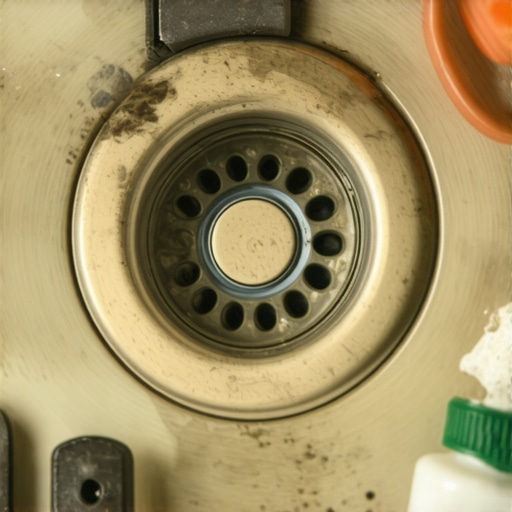
- Verify that the weep holes in the drain assembly are clear of thin-set and debris.
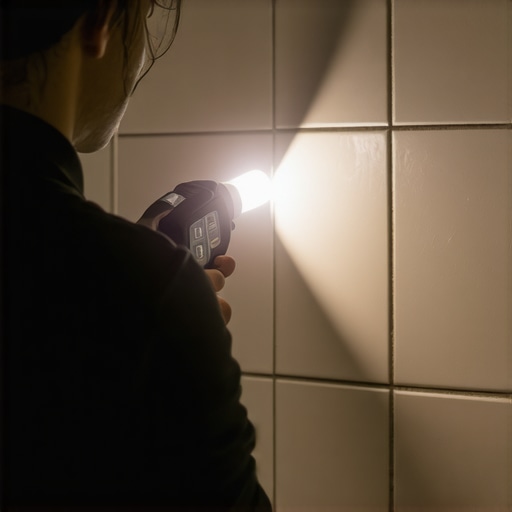
- Use a moisture meter to check the walls surrounding the curb for hidden leaks.
- Ensure the transition to the exterior floor is sealed with 100 percent silicone caulk.
I also want to talk about the transition to the rest of the house. I see people putting laminate or carpet right up against a shower curb. That is a recipe for disaster. Laminate is basically compressed sawdust and glue. If that shower curb is weeping, the laminate is going to soak it up like a wick. It will buckle. The edges will swell and the core will blow out. A carpet install is even worse because the pad acts like a sponge. You can have a leak in your shower curb and not know it for months because the carpet pad is hiding the water until the subfloor is completely gone. I always recommend a tile or stone transition of at least 12 inches outside the shower before you start your carpet or wood flooring. It gives you a buffer zone.
Why your subfloor is lying to you
Subfloor integrity is often masked by cosmetic tile work, but a spongy curb reveals the truth. If the plywood or OSB beneath your shower has high moisture content, it will expand and contract, causing the tile bond to fail. This structural movement creates micro-fissures in the waterproofing layer, allowing even more water to penetrate the floor assembly. In many cases, the shower curb remains wet because it is wicking moisture from a saturated subfloor that has no way to dry out. This is why a moisture barrier on the underside of the subfloor is just as vital as the one on top.
You have to understand the chemistry of the bond. When I am mixing thin-set, I am looking for the consistency of peanut butter. If it is too wet, it shrinks when it cures, leaving voids. If it is too dry, it doesn’t hydrate properly and won’t grab the tile. But even the best thin-set can’t overcome a bad subfloor. I have seen guys try to use floor leveling compound to fill a two-inch hole. That is not what it is for. You have to fix the structure first. You have to make sure the joists aren’t bouncing. If the floor has too much deflection, the grout in your curb will crack within six months, and you will be right back to where you started with a wet curb and a headache. Flooring is a science. It is about understanding how different materials react to temperature and humidity. If you live in a place with high humidity, your materials will behave differently than they do in a desert. You have to account for that.
Final thoughts on shower curb maintenance
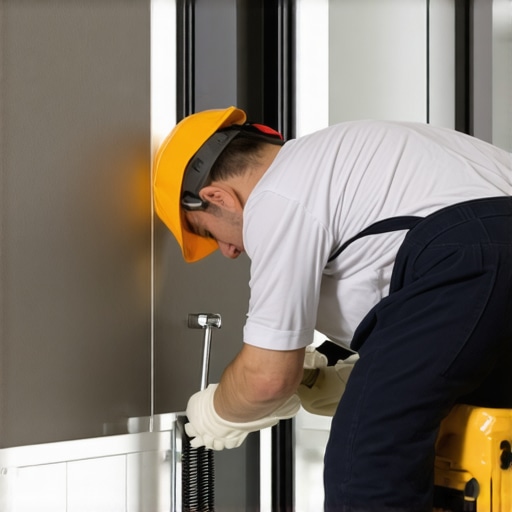
If your curb is still wet, you need to act fast. Start by checking the easiest things. Is the shower door seal failing and letting water drip directly onto the curb? If so, that is an easy fix with some new gaskets. But if the water is coming from underneath the tile, you are looking at a much bigger problem. You might have to pull up the top course of tile on the curb to see what is happening underneath. If you find wet wood or saturated mortar, the curb needs to be rebuilt. Do not try to just caulk over the problem. Silicone is great for keeping water out, but it also does a great job of keeping water in. If you seal a wet curb with silicone, you are just accelerating the rot. You have to let it dry out completely before you do any repair work. Use a fan, use a dehumidifier, and keep people out of that shower until it is bone dry. Then, and only then, can you start fixing the waterproofing. Remember, a floor is a performance surface. It has to handle the weight of the people on it and the water that falls on it. If it can’t do both, it is not a floor, it is just an expensive pile of trash.