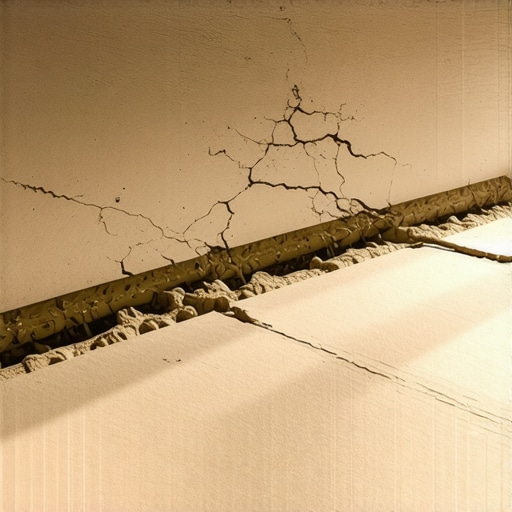
I remember the first time I installed laminate flooring, only to hear that dreaded snap echo through the room. It was a small crack in a joint that felt like a minor hiccup—until months later, when the entire floor started to creak and buckle, revealing the real culprit: a poorly prepared subfloor.
That lightbulb moment taught me a hard lesson about the importance of proper subfloor leveling. If your subfloor isn’t up to par, even the best laminate can turn into a nightmare, snapping, warping, and giving you endless frustrations.
Today, I’m here to walk you through a topic that could save your time, money, and sanity. We’re diving deep into the five most common subfloor leveling errors that lead to snapped 2026 laminate joints. Whether you’re a DIY enthusiast or planning to hire a pro, understanding these pitfalls will make your project smoother—and your floor more durable.
Why Proper Subfloor Preparation Matters More Than You Think
Before we get into the mistakes to avoid, let me ask: have you ever skipped a proper assessment of your subfloor? Maybe you assumed it was flat because the concrete looked level, or perhaps you underestimated the impact of slight slopes. Trust me, early mistakes like these can have ripple effects that compromise your entire flooring installation.
One mistake I made early on was ignoring the signs of a sloping subfloor—a common issue that can lead to serious problems down the line. I learned that self-leveling solutions can be a game-changer, especially when combined with techniques outlined in [expert tips for floor leveling](https://floorcraftstore.com/expert-floor-leveling-laminate-flooring-for-lasting-durability).
The good news? With awareness and the right approach, you can prevent these issues—and that’s exactly what we’ll explore next. So, if you’re wondering whether your subfloor is up to snuff, stay tuned; we’ll cover signs to watch for and how to address them before laying down your laminate.
Assess the Subfloor Surface Thoroughly
Begin by examining your subfloor for signs of unevenness, cracks, or moisture. Use a long spirit level or straightedge across multiple sections. I once skipped this step and jumped straight into installation; my initial test showed the floor was level, but hidden dips caused my laminate planks to click and shift within months. To prevent this, invest in a high-quality moisture meter and a laser level for precision. If you notice sloping or uneven areas, they’ll need correction before proceeding. Check out expert tips for floor leveling to understand the nuances of moisture and flatness assessment.
Prepare Your Space and Correct Issues
Fix Sloping or Dip Areas
In my experience, sloping subfloors are common in older concrete slabs. Use self-leveling underlayment to fill dips and create a flat surface. Mix the compound carefully—aim for a consistency similar to pancake batter, not too thick or runny. Pour it over the low spots, spreading with a trowel or roller, and let it set as per the manufacturer’s instructions. For minor slopes under 2%, consider these self-leveling hacks. Remember, skipping this step will cause your laminate joints to snap or buckle over time.
Address Moisture and Contaminants
Moisture is a silent enemy that can cause laminate to warp or bubble. Apply a vapor barrier or moisture-resistant coating before leveling. I once used a simple plastic sheet, but that wasn’t enough for my basement slab. I learned that a proper moisture barrier, like a polyethylene sheet, prevents future issues, especially in damp environments. Confirm moisture levels with your meter; if readings are high, see moisture barrier strategies for effective solutions. This proactive step saves headaches later.
Use the Right Tools for Precision
Invest in quality tools—laser levels, straightedges, and trowels—to ensure accuracy. When I installed my laminate, I rented a laser level for a day to double-check my leveling. It revealed subtle dips I hadn’t noticed. This investment paid off: the resulting floor was perfectly flat, with no creaks or gaps. For concrete floors, a power trowel can help smooth out the surface further, preventing future unevenness. Fine-tuning the surface now will prevent your planks from snapping or warping, as explained in expert leveling tips.
Plan the Installation Strategy
Before laying down planks, create a visual map of your space, marking high and low points. This way, you can focus your leveling efforts where needed most. In one project, I started with the area that had the most dips, applying self-leveling compound first, then working outward. After curing, I checked with my laser level again—everything was flat. Remember, a well-prepared subfloor reduces joint snapping, especially in 2026 laminate flooring where precise installation is crucial. For more comprehensive guidance, see self-leveling hacks to prevent cracking.
Many DIY enthusiasts and even seasoned pros often operate under misconceptions about how to properly achieve a flawless floor. A prevalent myth is that a surface appearing level to the naked eye suffices for installing laminate or carpet; however, even minor undetected dips can cause joint snapping or squeaks, emphasizing the importance of thorough subfloor assessment. Moreover, some believe that using cheap self-leveling compounds or skipping moisture barriers saves time and money, but in reality, these shortcuts often lead to costly repairs down the line. For instance, neglecting proper moisture control in concrete slabs can result in laminate warping or bubbling—an issue often underestimated but backed by experts who emphasize moisture testing as a critical step in installation ([expert tips for floor leveling](https://floorcraftstore.com/expert-floor-leveling-laminate-flooring-for-durability)).
An advanced mistake that many overlook is the assumption that all subfloor materials respond equally to leveling techniques. Wood substrates, for example, require different preparation compared to concrete. Applying a one-size-fits-all approach can backfire, causing uneven wear and premature joint failure. Such nuanced understanding is vital, especially when aiming for lasting durability in high-traffic areas.
A particularly tricky challenge arises with shower installations. A common misconception is that waterproofing membranes alone prevent leaks. While essential, they must be combined with proper slope and drainage design; otherwise, water can seep through unnoticed, rotting subfloor layers and leading to long-term damage. For comprehensive guidance on waterproofing and drainage, I recommend consulting specialized resources like [expert solutions for shower waterproofing](https://floorcraftstore.com/expert-shower-solutions-bathroom-renovations-for-modern-homes).
Have you ever fallen into this trap? Let me know in the comments. Recognizing these hidden nuances and dispelling myths can significantly improve your project outcomes, ensuring longevity and performance of your flooring investments. Remember, attention to detail and a clear understanding of material behaviors are the true keys to success in any installation—whether it’s laminate, carpet, or shower remodeling.When undertaking flooring projects like laminate, showers, or carpet installations, having the right tools can make all the difference in ensuring long-term durability and a professional finish. I personally rely on high-precision laser levels because they provide a quick and reliable way to check flatness across large areas, eliminating the guesswork that tape measures or spirit levels often introduce, especially in expansive spaces. For example, when leveling a concrete subfloor, I use a laser level combined with a self-leveling compound to achieve a perfectly even surface—this combination helps prevent issues like joint snapping or uneven wear, as highlighted in expert tips for floor leveling.
For moisture assessment, I prefer digital moisture meters with dual pin and pinless modes, which allow me to quickly determine if a slab or subfloor is suitable for installation. Accurate moisture readings are critical; high moisture levels can cause laminate warping or bubbling, so I avoid shortcuts here, referencing moisture barrier strategies for assistance.
Investing in quality sanding and grinding tools is also essential, especially for preparing complex surfaces like uneven concrete or old subfloors. I recommend a handheld angle grinder with diamond blades because it allows meticulous surface prep—eliminating bumps and smoothing out irregularities that could cause joint failure in laminate or uneven tile adhesion in showers.
Anticipating future trends, I believe that smart tools integrated with IoT technology will become more prevalent. Imagine laser levels and moisture meters that sync with mobile apps, providing real-time data analysis to prevent issues before they arise—saving time and money in the long run.
So, how do I maintain these tools over time? Regular calibration, cleaning after each use, and proper storage are non-negotiable. Calibration ensures measurements stay precise, especially for laser levels and moisture meters, which can drift with time. Proper cleaning prevents debris build-up that can impair accuracy, and storing equipment in dry, dust-free environments extends their lifespan. For those interested in refining their skills, I recommend trying the advanced leveling techniques discussed in self-leveling fixes for sloping subfloors, which leverage quality tools for a perfect finish. Remember, investing in the right equipment and maintaining it diligently leads to projects that stand the test of time—your future self will thank you for it.
What I Wish I’d Known When Leveling Floors
One of the toughest lessons I learned was that no matter how perfect your tools or techniques are, your mindset matters just as much. I used to think a quick visual inspection was enough, but I now realize that subtle dips and moisture issues can sabotage entire projects if overlooked. That realization changed my approach, pushing me to double-check everything and embrace meticulous assessment. The mistake of rushing through prep taught me patience; patience saves joints and prevents snapping in laminate or cracking in showers.
Another insight came from understanding material behaviors—wood, concrete, and moisture each demand different treatment. I once used the same leveling method on a humid basement slab as I did on a dry upstairs bedroom. The results were disastrous—warping, squeaks, and costly repairs. Now, I tailor my approach based on the subfloor material, learning that deeper understanding results in durable, long-lasting results.
Finally, I discovered that shortcuts—like skipping moisture barriers or ignoring subtle slope signs—might seem minor at first but pay off with major headaches later. Investing time in comprehensive moisture testing and proper leveling fixes is ultimately more cost-effective than repeatedly repairs or replacements. These lessons, learned through trial, error, and reflection, help me guide others toward successful, worry-free installations.
Tools and Resources That Changed My Game
For anyone serious about achieving a flawless subfloor, I recommend investing in a high-quality laser level. It’s become indispensable, helping me spot even the tiniest dips that can cause big problems. Pair it with moisture meters—preferably dual-mode digital versions—as moisture can secretly wreck your efforts. These tools are my foundation for confident decisions and durable results.
Additionally, the expert tips for floor leveling opened my eyes to advanced techniques, especially when working with tricky concrete slabs or uneven old floors. And don’t overlook self-leveling compounds; understanding their correct mixing and application vastly improves flatness and reduces joint snapping.
Lastly, I can’t recommend enough the guidance from authoritative sources like these self-leveling hacks. They’ve saved me from many costly redo’s, and I trust these resources to keeps my work precise and reliable.
Fuel Your Confidence—Start Today
The path to a perfect floor begins with a single step—diligent assessment and preparation set the stage for success. Don’t let hidden dips or moisture issues deter you; with the right mindset, tools, and resources, you can create a foundation that lasts for decades. Whether installing laminate, fixing showers, or laying carpet, meticulous prep transforms your visions into reality and keeps your floors pristine for years. Your future self will thank you for choosing quality and patience today.
So, tell me—have you ever encountered a sneaky subfloor problem that caught you off guard? Share your story below, and let’s learn from each other’s experiences!
“}thema_outline:{