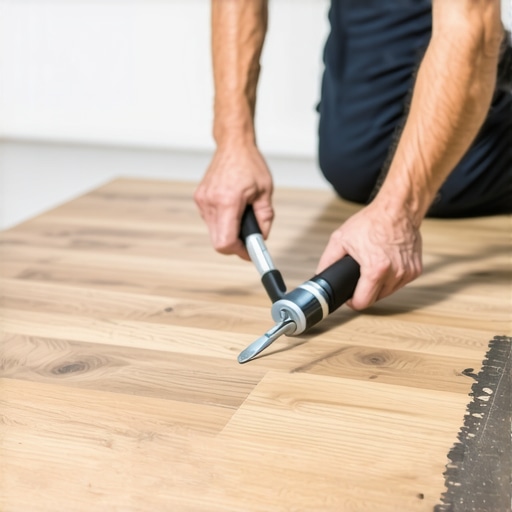
It was late one evening when I stepped into my living room, only to be greeted by that dreaded loud click every-time I walked across my laminate floor. Frustration set in. I had just finished installing it myself, thinking I’d save some money, but now I was stuck with stubborn, noisy planks. That moment was a lightbulb for me—I realized I wasn’t alone in battling these issues. If your laminate flooring is making unsettling sounds in 2026, don’t worry, there’s hope! Today, I promise to share with you three effective, no-pull solutions that have worked wonders in my own home. \n\n
Why Ignoring Floor Clicks Can Lead to Bigger Problems
\nHave you noticed those annoying clicks and squeaks whenever you stroll through your living space? It’s more than just an auditory nuisance; it can hint at underlying issues like uneven subfloors or improper installation. Over time, these small sounds can evolve into cracks or gaps, jeopardizing the durability of your flooring. Ignoring them might seem tempting—after all, who has the time or tools for a full overhaul? But let me tell you, addressing these problems early saves you money and stress down the line. I learned this the hard way when I ignored a tiny creak, only to have it turn into a noticeable gap that required costly repairs. According to industry experts, unresolved floor movement can diminish the lifespan of your laminate and even affect your home’s value. So, what’s the secret to fixing these issues without ripping up all your floors? Well, that’s exactly what I’ll reveal next. For more on floor leveling and ensuring long-lasting durability, check out this comprehensive guide on laminate floor leveling tips. If you’ve faced similar frustrations, keep reading—I’ve been there, and I have solutions that work.
Identify the Culprit and Prepare
Start by pinpointing the source of the noise. Walk across your floor slowly and listen carefully. Are the clicks coming from specific spots? Use a broomstick or stick to tap nearby areas to hear vibrations—this helps locate loose planks or subfloor issues. Clear the area of furniture and rugs to ensure full access. Wear gloves and protective gear if necessary. When I tackled my noisy laminate, I marked the squeaky sections with painter’s tape for easy reference, reducing confusion during repair.
Secure Loose Laminate Planks
Apply Wood Glue or Adhesive
If the noise stems from loose planks, lift the affected section carefully—using a putty knife or pry bar, much like prying a stubborn lid off a jar, but gentle enough not to damage the laminate. Once lifted, clean the subfloor surface, then apply a high-quality wood adhesive beneath the plank, pressing it back into place firmly. Clamp or weigh it down until dry, usually 24 hours. I learned this method during my DIY project; after gluing down a stubborn corner, the squeak vanished overnight.
Use Mechanical Fasteners for Extra Stability
For persistent squeaks, screw down the loose plank through the tongue at an angle, avoiding visible damage. Drill pilot holes to prevent splitting, then insert flooring screws and counter-sink slightly below the surface. Fill holes with matching putty for a seamless look. Remember, this technique works best for planks that can be lifted without damage, as explained in this detailed guide, which I referenced when stabilizing my flooring.
Address Uneven Subfloors
Unevenness beneath your laminate can cause shifting and noise. Perform a simple test by placing a straightedge across the floor—any gaps or dips indicate subfloor issues. For minor dips, self-leveling compounds like epoxy or latex-based solutions are effective. Mix according to instructions, then pour evenly over the problem area, spreading with a trowel. Allow curing for the manufacturer-recommended time. I fixed a noticeable dip in my hallway using a self-leveling compound, which made my laminate installation smoother and noise-free. For comprehensive guidance, see this tutorial.
Better Installation Techniques
Proper installation is crucial for a quiet, durable floor. Ensure subfloor is clean, dry, and level before laying planks. Use recommended underlayment to absorb movement and reduce vibrations. Lock the planks tightly using the click-system—avoid forcing them together, as misalignment can cause clicks. During my latest project, I used a tapping block and a rubber mallet to join planks snugly without damaging the surface, which significantly cut down on creaks. For advanced tips, consult expert installation advice.
Regular Maintenance and Checks
Prevention is better than repair. Periodically check your floor for loose boards or gaps, especially after seasonal changes that cause wood expansion or contraction. Quick fixes, like re-gluing or re-tightening screws, can prevent major squeaks. Keep humidity balanced with a humidifier or dehumidifier—excess moisture can warp subfloors and worsen noise issues. Remember, addressing problems early can save you from costly repairs later, as emphasized in this checklist. My routine of gentle inspections helped me keep my laminate quiet for years.When it comes to renovating homes, many assume that following standard procedures guarantees success—that if the instructions are followed, everything will turn out perfect. However, in my experience, this belief can lead to overlooked nuances that threaten long-term durability and performance. A common myth is that **proper tools alone ensure a flawless installation**. While tools are essential, understanding the subtle interactions between materials, environment, and techniques is vital, especially with complex projects like **floor leveling, carpet installation**, or **shower waterproofing**. For instance, many underestimate the importance of **subfloor flatness for laminate durability**, which, if ignored, can cause bubbling or cracking even after professional installation. To master these aspects, consulting expert-guided resources such as these detailed carpet installation tips can make a significant difference.
One trap I encountered was believing that **all floor leveling compounds are equally effective**. In reality, using the wrong type for your subfloor—say, epoxy for uneven concrete—can cause cracks or adhesion failures. Recognizing **the subtle differences between products** and their compatibility is a nuanced skill that stems from deep knowledge of materials science. According to building performance studies, the **failure to choose the correct leveling approach** is among the top reasons for renovation setbacks. For example, experts recommend assessing your subfloor thoroughly with specific tests before applying self-leveling compounds; you can find actionable methods in this resource.
Now, here’s a question for the advanced readers—**How does moisture migration affect different types of underlayments and what are best practices to prevent related failures?** This is crucial because improper moisture management can lead to hidden issues like mold or subfloor rot, often only detected after costly repairs. A recent study published in the Journal of Building Physics emphasizes that **preventative moisture control is key** to avoiding long-term damage, especially in bathroom renovations involving showers or wet areas. Proper barrier installation, selecting moisture-resistant underlayments, and diligent vapor testing can save time and money in the long run.
In summary, mastering renovation requires more than just following basic instructions; it demands an understanding of subtle material behaviors, environmental factors, and advanced techniques. By focusing on the minutiae—like choosing the right leveling compound or managing moisture pathways—you ensure durability and peace of mind. Have you ever fallen into this trap? Let me know in the comments and share your experiences with overlooked nuances in home upgrades.Maintaining your home’s floors and showers requires more than just initial installation; it demands the right tools, consistent upkeep, and a proactive approach to prevent issues before they become costly repairs. Over the years, I’ve refined my toolkit to include specific equipment and methods that ensure long-term durability and functionality. One indispensable tool I personally rely on is a rubber mallet, which provides gentle yet firm pressure during laminate click-lock installations, helping to eliminate gaps that can lead to creaking or loosening over time. Additionally, a quality moisture meter is crucial for detecting hidden dampness beneath tile or laminate surfaces, especially in areas prone to water exposure like showers. Recognizing early signs of moisture intrusion can prevent mold growth and subfloor rot, which are often overlooked until significant damage occurs.
What the Tough Lessons Taught Me About Home Renovation
One of the most impactful lessons I learned was that rushing through floor leveling or waterproofing can cost much more than the extra time upfront. I used to think that following basic instructions was enough, but I soon realized that attention to the most subtle details—like surface flatness and moisture barriers—can make or break a project. For example, overlooking subfloor cracks led to expensive repairs later, which could have been prevented by thorough assessment. This experience taught me to approach each step as if my home’s longevity depended on it—because it really does.
Tools and Resources I Swear By for Lasting Results
My essential toolkit includes a high-quality moisture meter to detect unseen dampness beneath flooring, a reliable self-leveling compound suited for my subfloor type, and a rubber mallet for precise planking. For guidance, I turn to trusted resources like expert tips on floor leveling, which help me avoid common pitfalls. Books on materials science and waterproofing tactics have also shaped my understanding, ensuring each renovation step is rooted in solid knowledge. These tools and resources empower me to make smarter, longer-lasting decisions for my home.
Your Drive Counts More Than You Think
Embarking on a renovation journey can seem daunting, especially when facing technical challenges with laminate installation or shower waterproofing. But remember, each small step—like preparing the subfloor properly or choosing the right sealant—builds toward a durable finish that truly stands the test of time. Don’t let perfection become procrastination; even imperfect efforts lead to learning and growth. If I can do it, so can you. Start today, and enjoy the satisfaction of transforming your space with confidence. What’s holding you back from tackling your next home upgrade? Share your thoughts below.